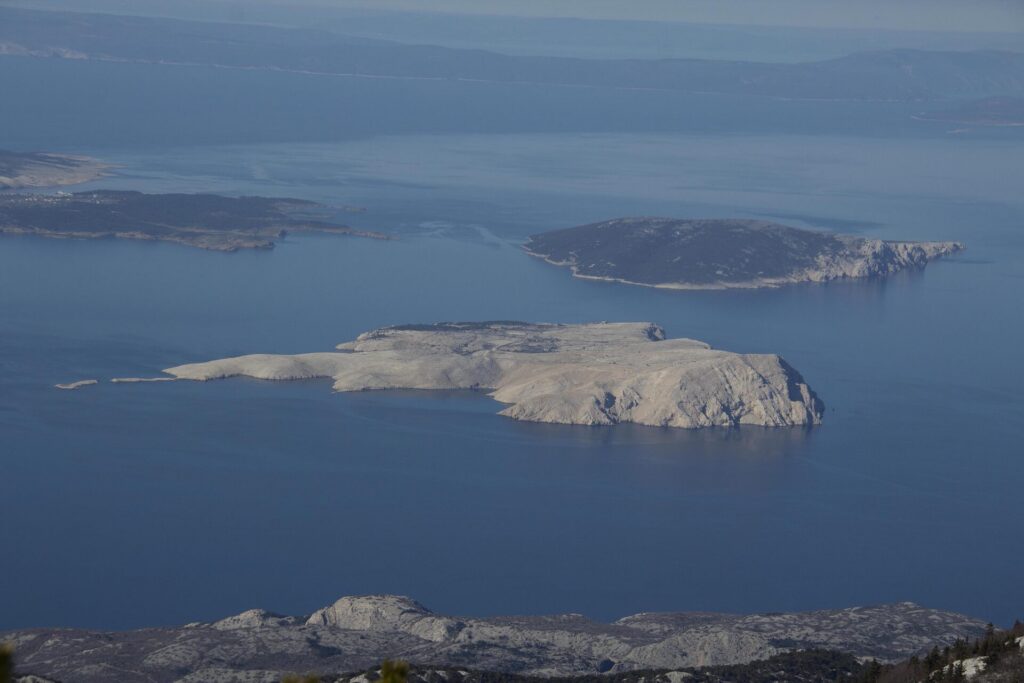
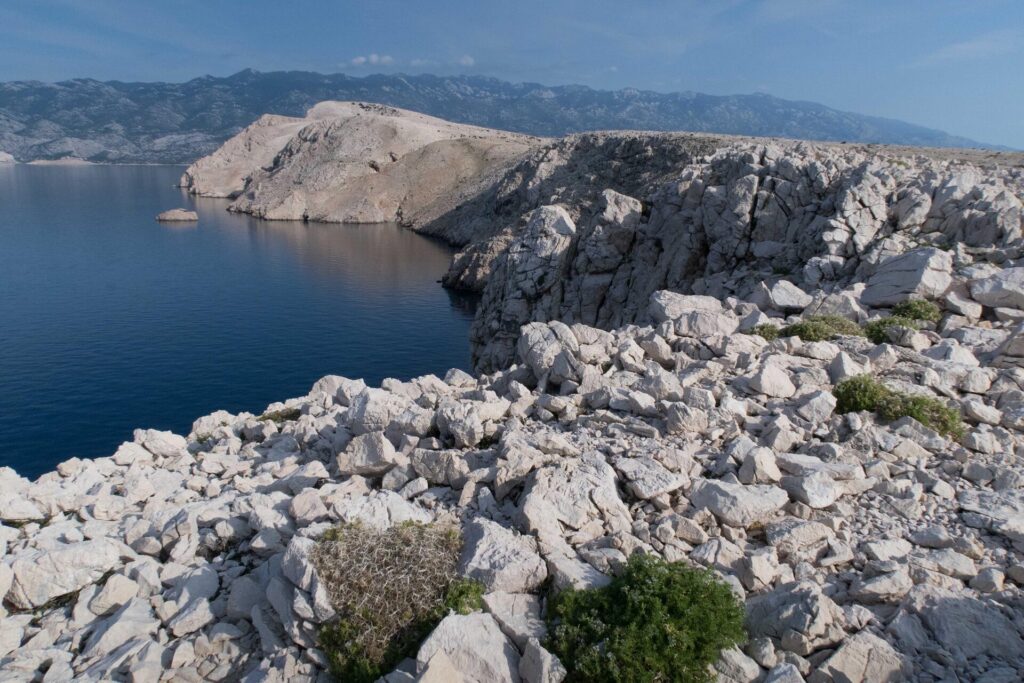
What is Goli otok?
Goli otok is an important site of political repression. From 1949 to 1956, it functioned as a camp for political prisoners who were actual or alleged supporters of the 1948 Informbiro Resolution.
The Informbiro and the conflict with Moscow
The Informbiro, or Cominform, was an international organisation of communist parties founded in 1947 under the strong influence of the Soviet Union. After the conflict between the Yugoslav leadership, headed by Josip Broz Tito, and the Soviet leadership, headed by Joseph Stalin, the Informbiro condemned the Communist Party of Yugoslavia and the Yugoslav state leadership in 1948.
The Informbiro Resolution accused Yugoslavia of departing from the Soviet model of communism, pursuing an independent policy, and disobeying Stalin’s authority. Behind the conflict lay a growing disagreement between Tito and Stalin over Yugoslavia’s position within the socialist bloc.
After the Second World War, Yugoslavia pursued an active and increasingly independent foreign policy. Tito supported the idea of creating a Balkan federation — a political alliance intended to connect Yugoslavia, Bulgaria, and possibly Albania and parts of Greece. This initiative, together with Yugoslav influence in Albania and support for the communists in the Greek Civil War, provoked Stalin’s dissatisfaction.
Persecution of the ‘Informbiro supporters’
The conflict was therefore not only about ideological differences, but also about political control. Tito sought to conduct Yugoslav policy independently, while Stalin expected obedience and alignment with the interests of the Soviet Union. After the Informbiro Resolution, any real or alleged support for the Soviet side in Yugoslavia was increasingly interpreted as political betrayal.
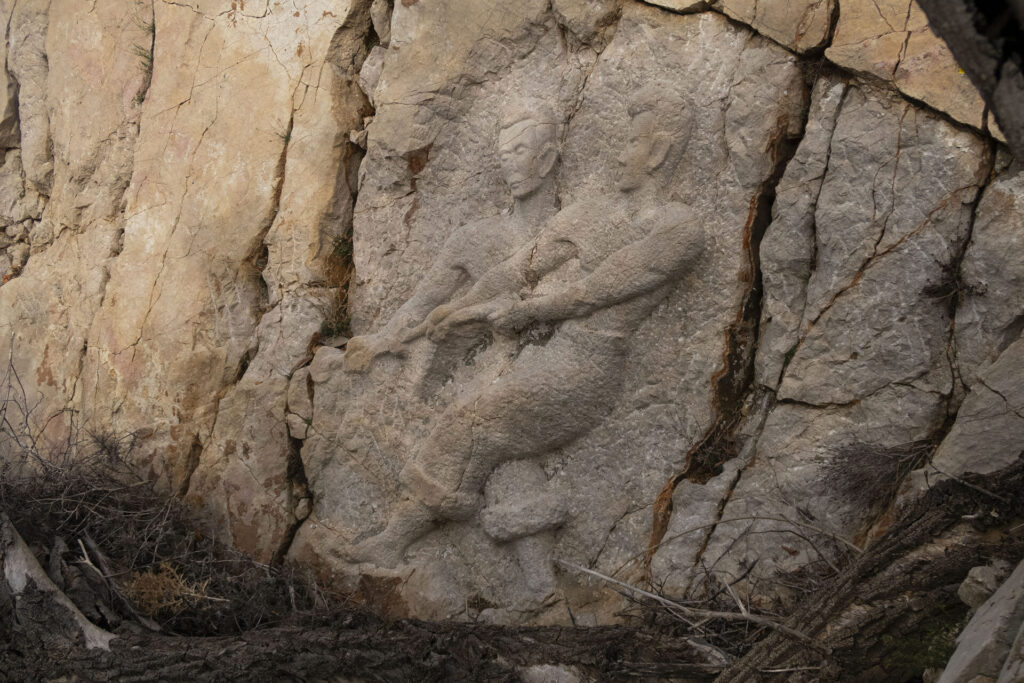
A person could be sent to Goli otok for actual support of Stalin and the Informbiro — but also for a suspicion, a denunciation, a joke, a criticism of authority, a private conversation, or association with someone already labelled as unreliable.
In this atmosphere, the persecution of so-called Informbiro supporters, or ibeovci, began, and Goli otok became the central place of their punishment and political „re-education”. The concept of the state enemy was broad and vaguely defined. The boundary between genuine opposition and alleged disloyalty became very thin. Many prisoners were sent to Goli otok without a public trial, on the basis of decisions made by the Yugoslav secret police, UDBA.
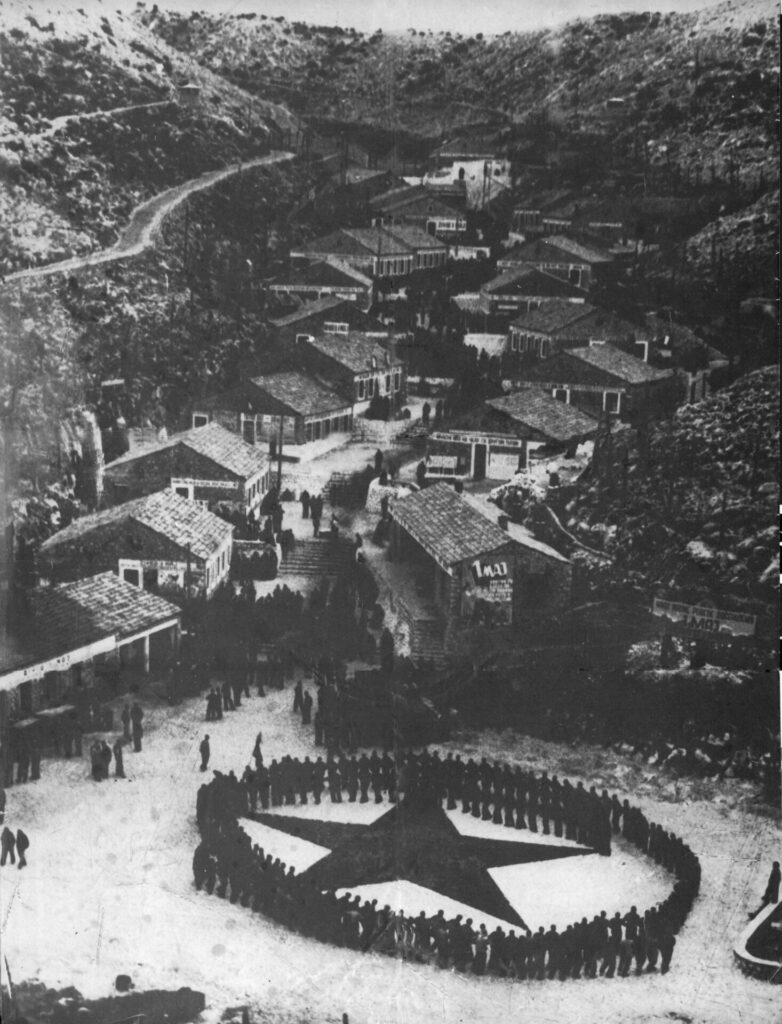
The camp 1949–1956
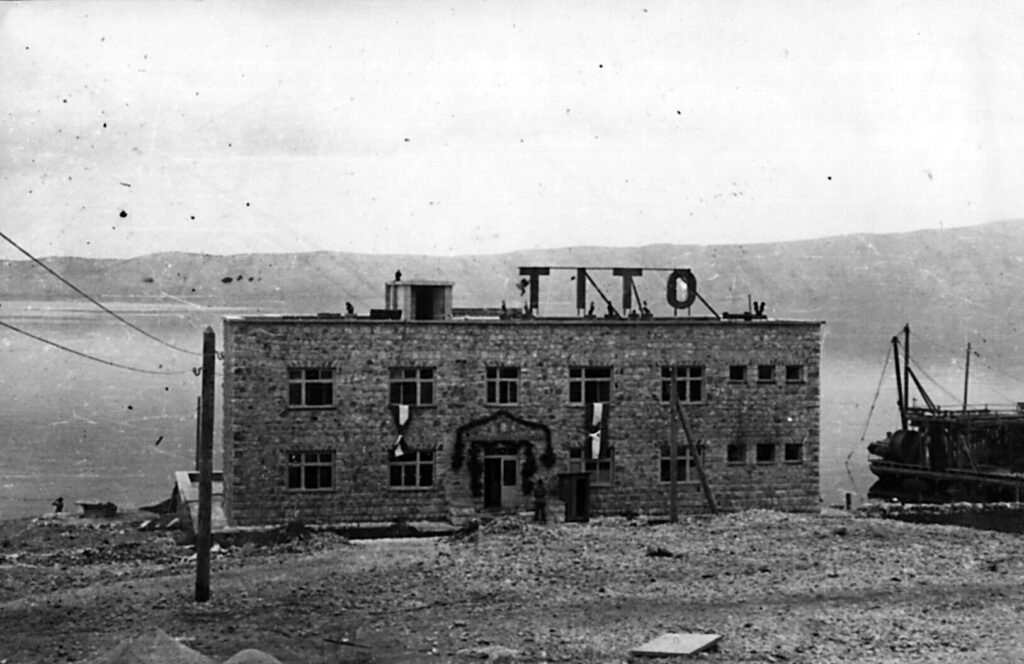
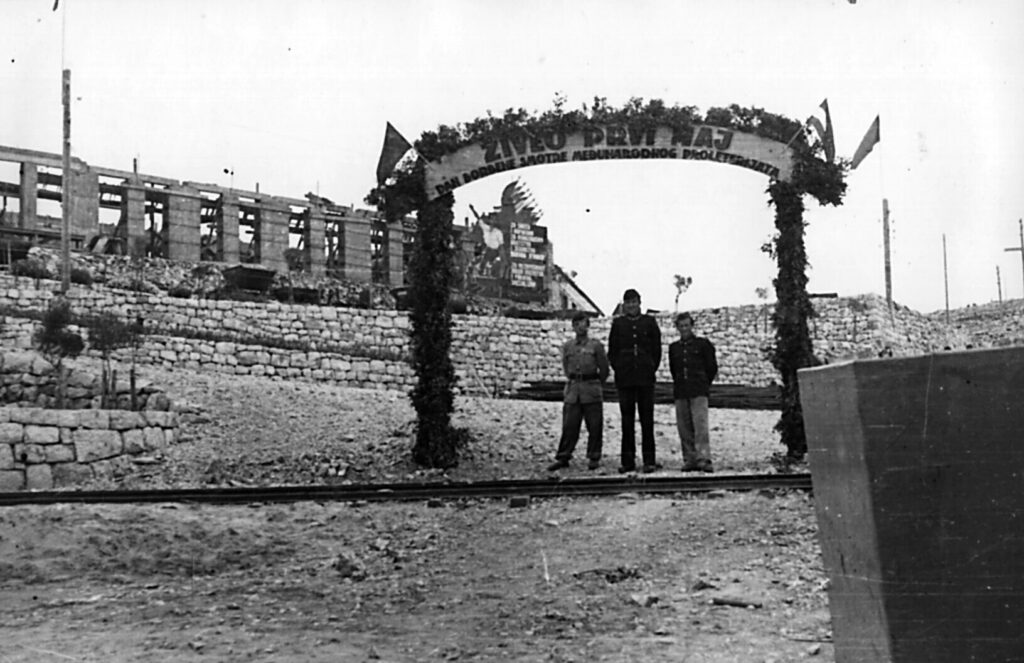
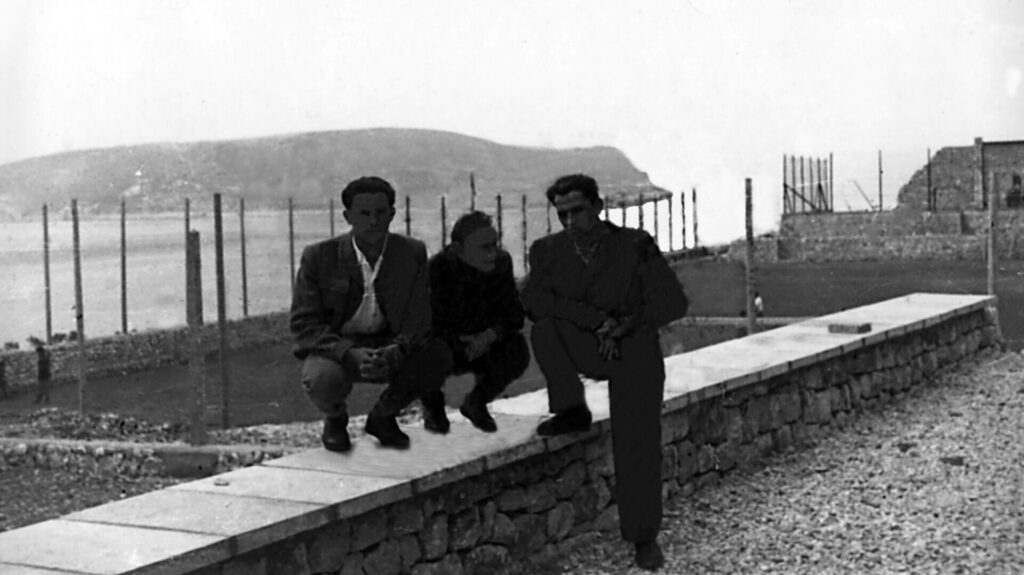
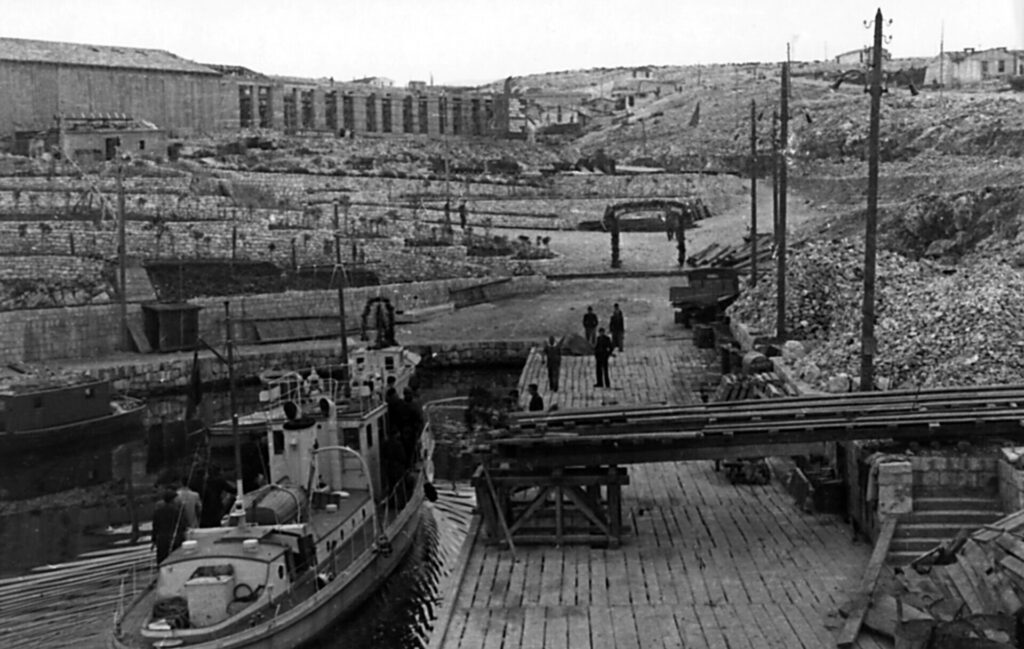
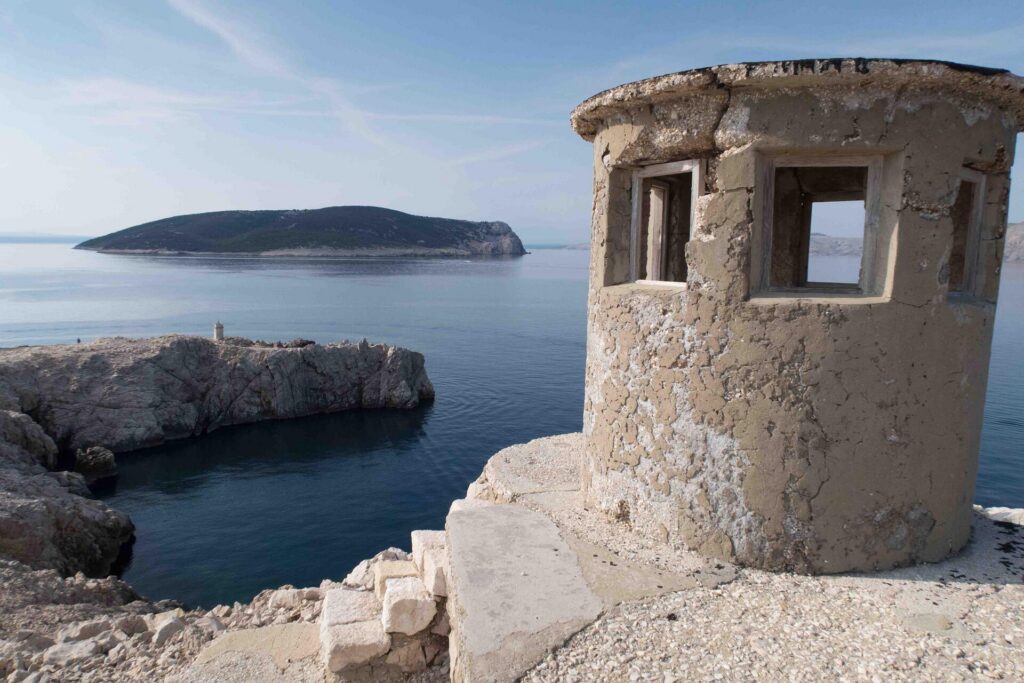
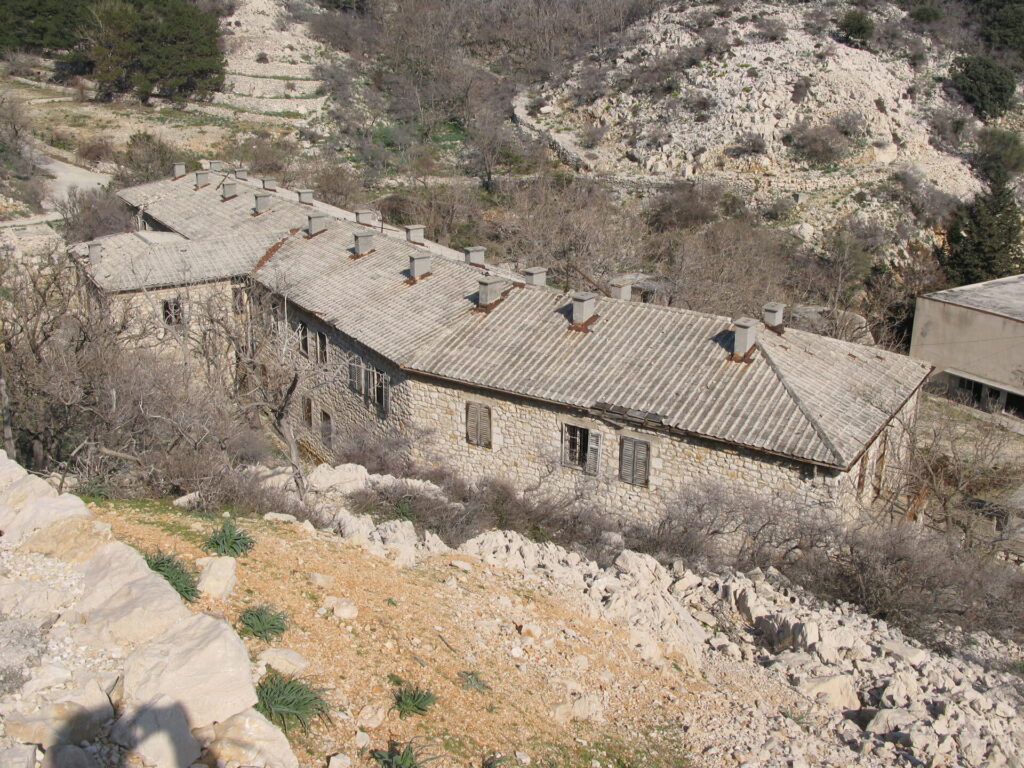
During the camp period from 1949 to 1956, Goli otok, together with the island of Sveti Grgur, functioned as a political camp for actual and alleged supporters of the Informbiro Resolution. Around 13,000 people passed through it and were subjected to forced labour, political „re-education”, humiliation, and severe forms of physical and psychological violence.
Around 13,000 people passed through the camp — subjected to forced labour, political „re-education” and severe forms of violence.
1949–1956
The camp system had its own specific features, but in its organisation and methods it showed similarities with Nazi and Soviet camp practices.
From 1956 to today
In 1956, Goli otok ceased to function as an Informbiro camp and gradually became a penitentiary for people convicted of various criminal offences. Nevertheless, until its closure in 1988, some political prisoners were also held there.
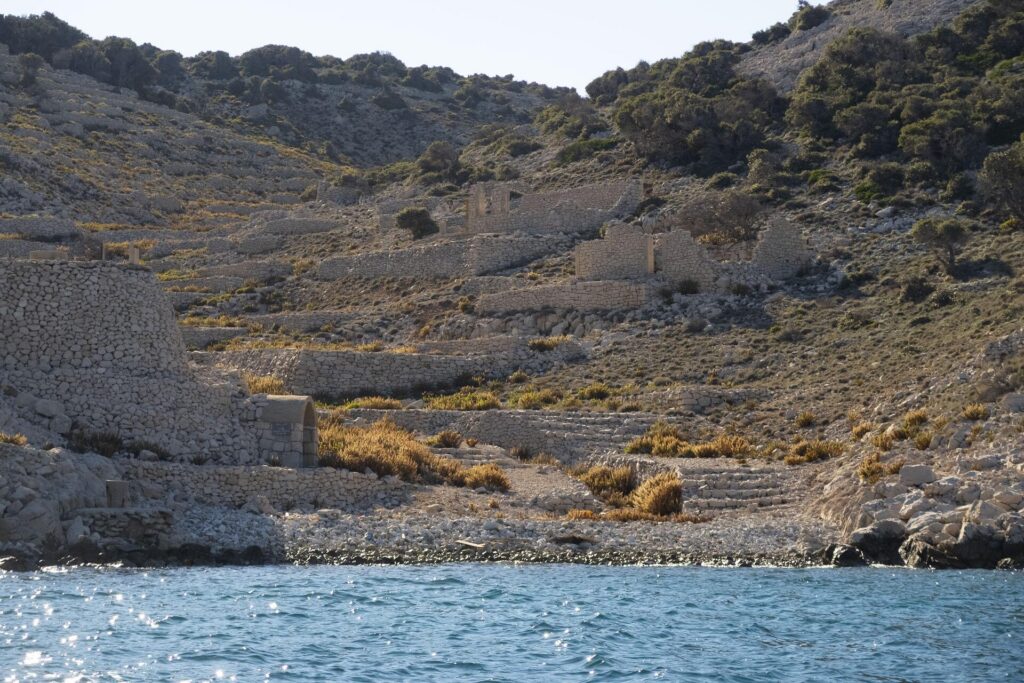
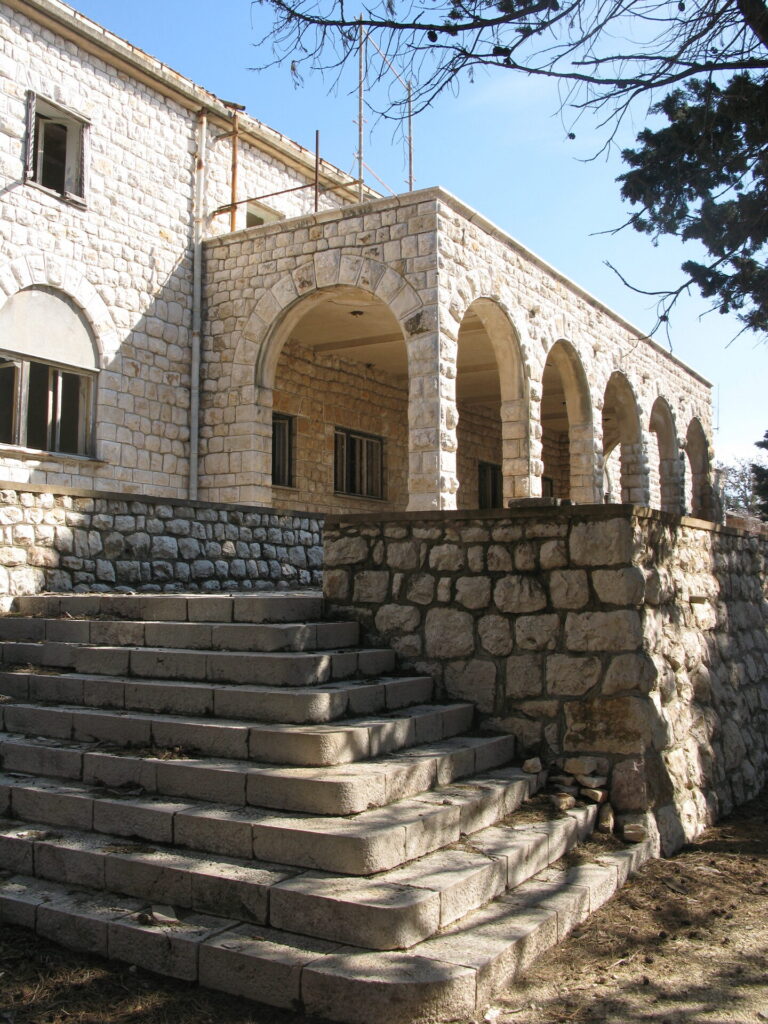
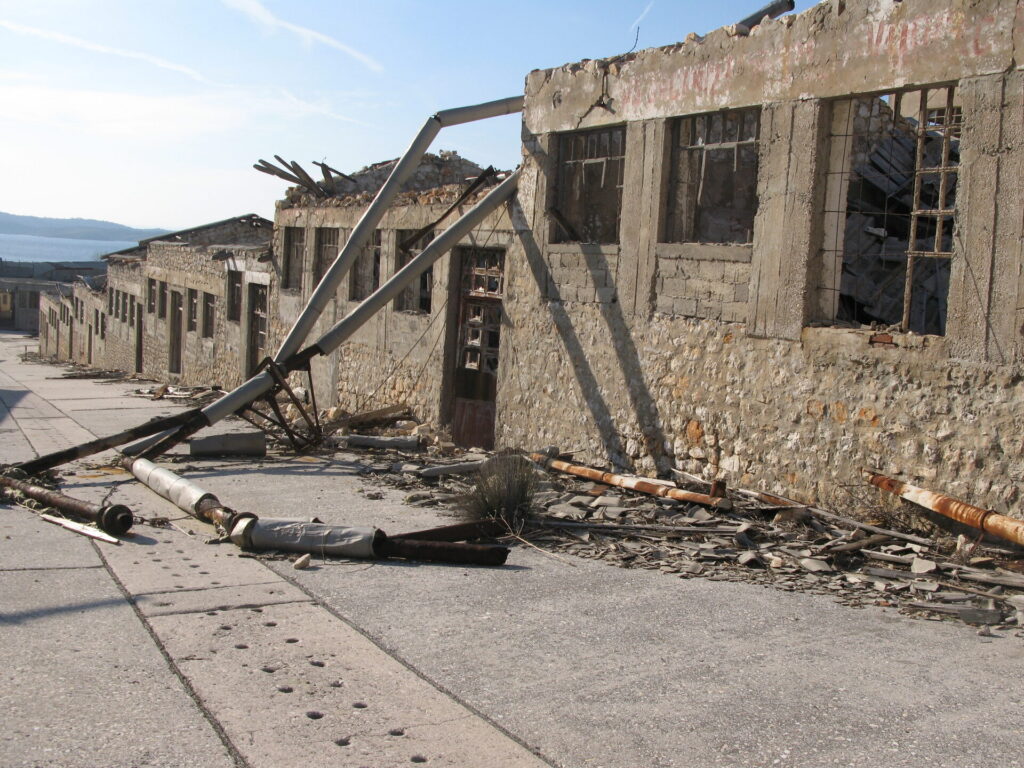
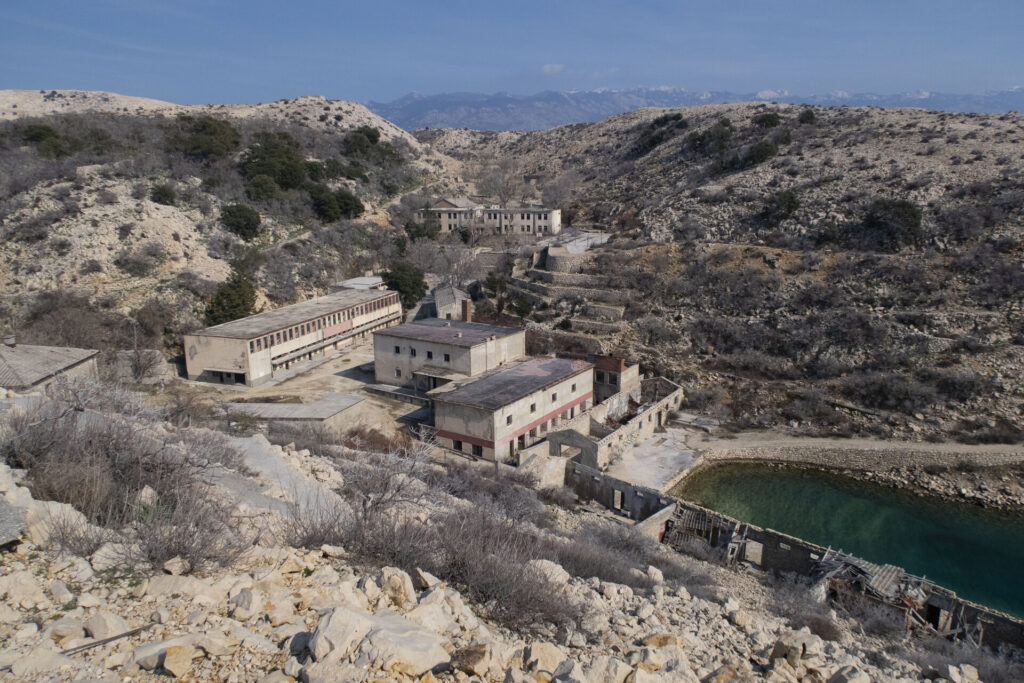
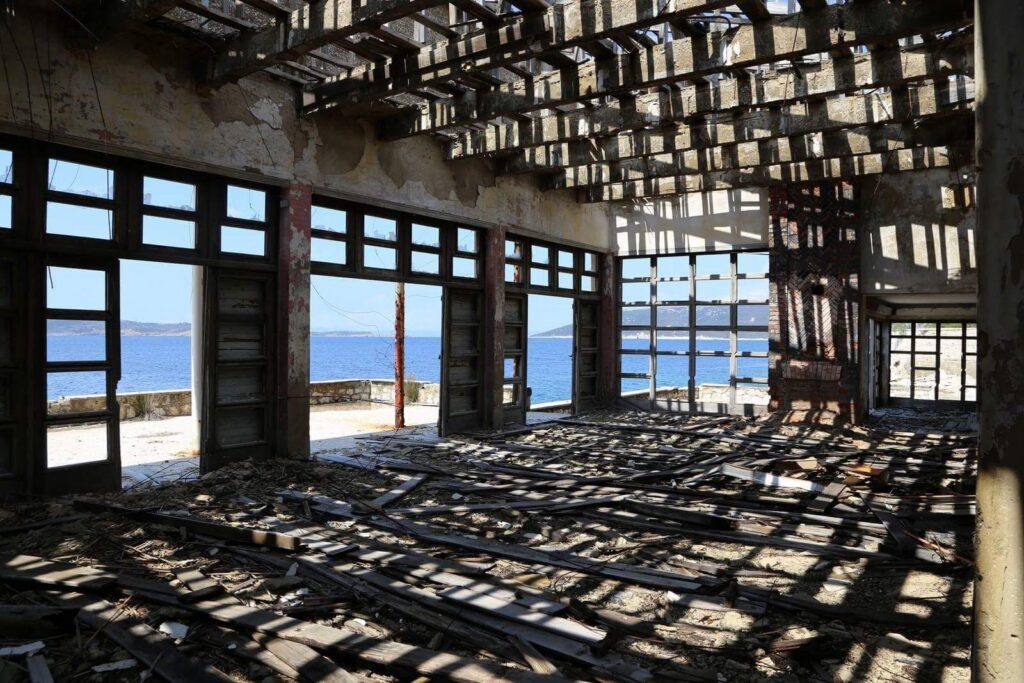
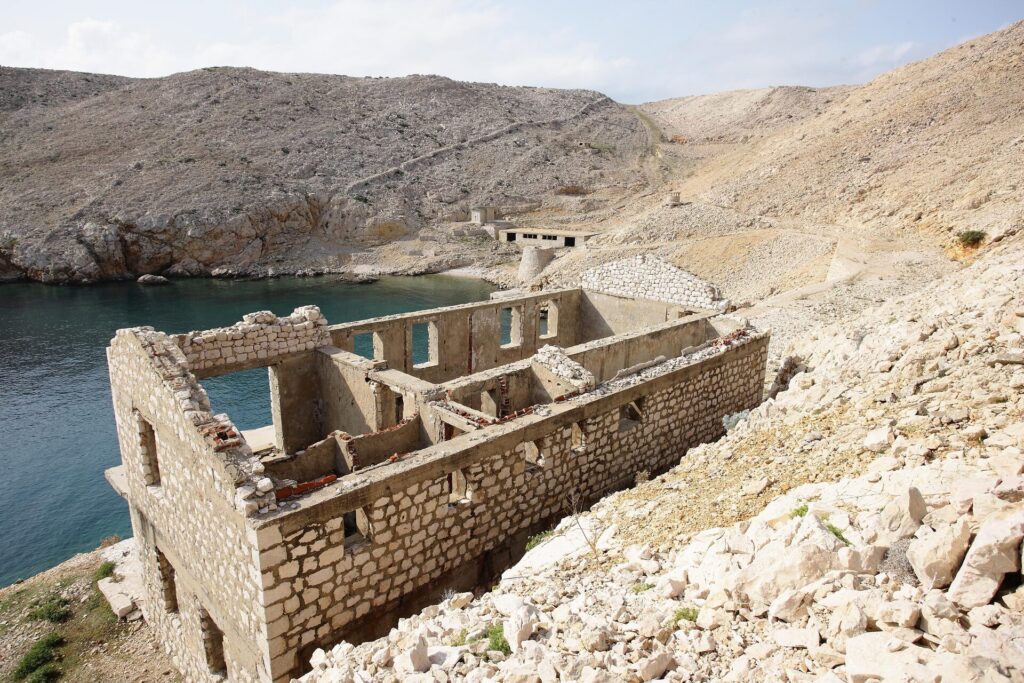
After the dissolution of the Socialist Federal Republic of Yugoslavia and the independence of the Republic of Croatia in 1991, the remains of the former camp and prison complex on Goli otok and Sveti Grgur remained unprotected and were left to decay.
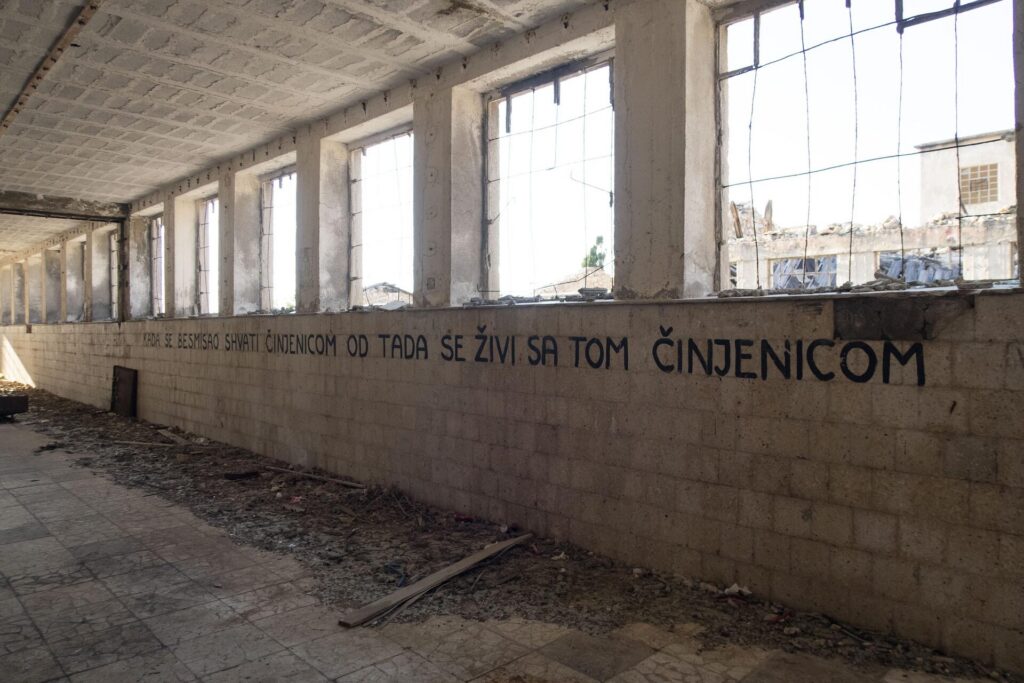
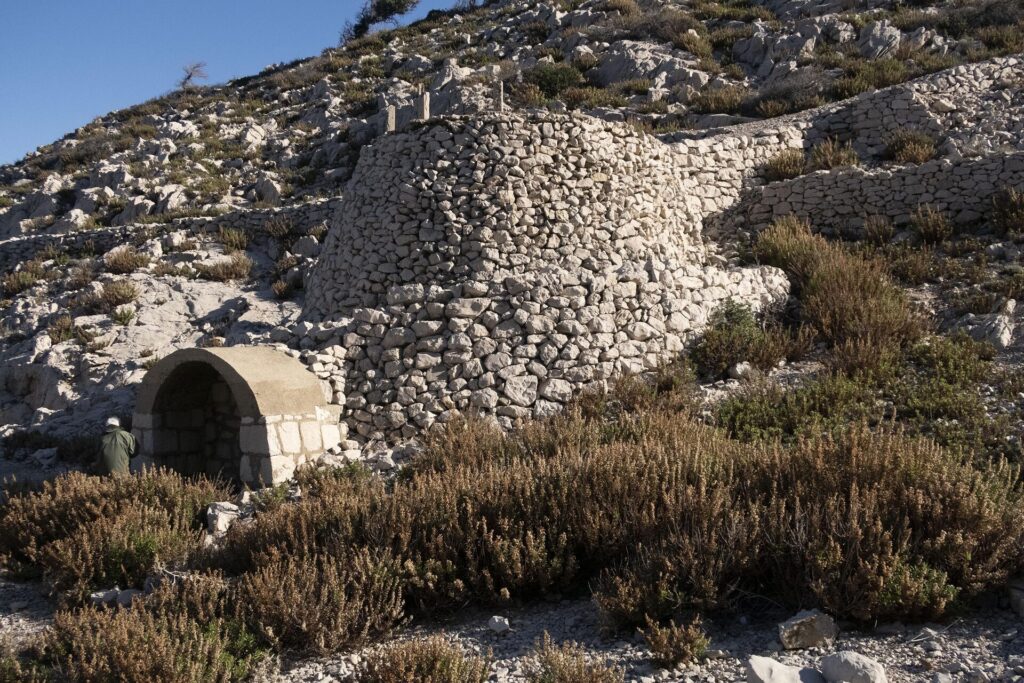
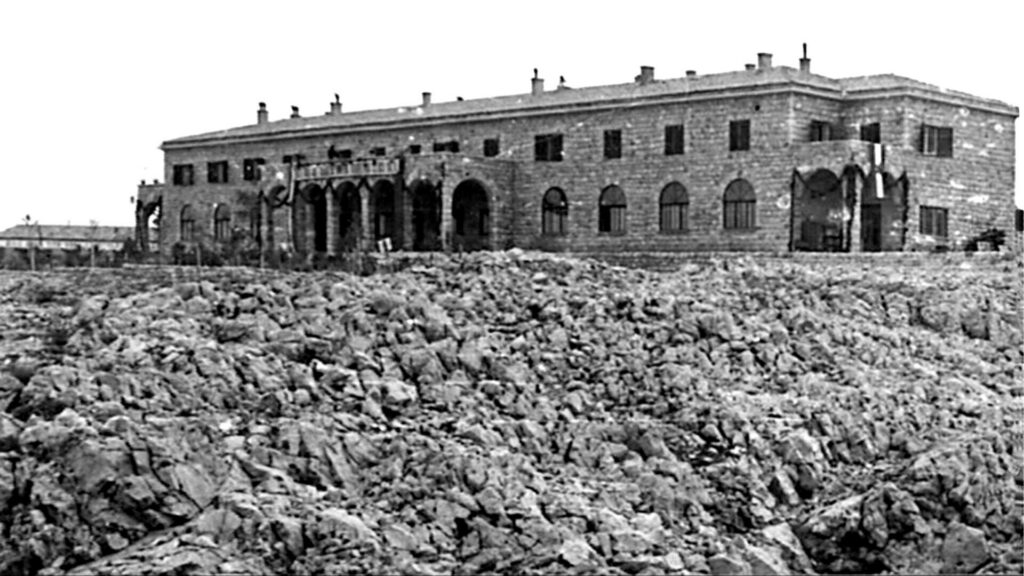
The buildings from the camp period are not ordinary abandoned buildings. They were created through the harsh forced labour of prisoners.