

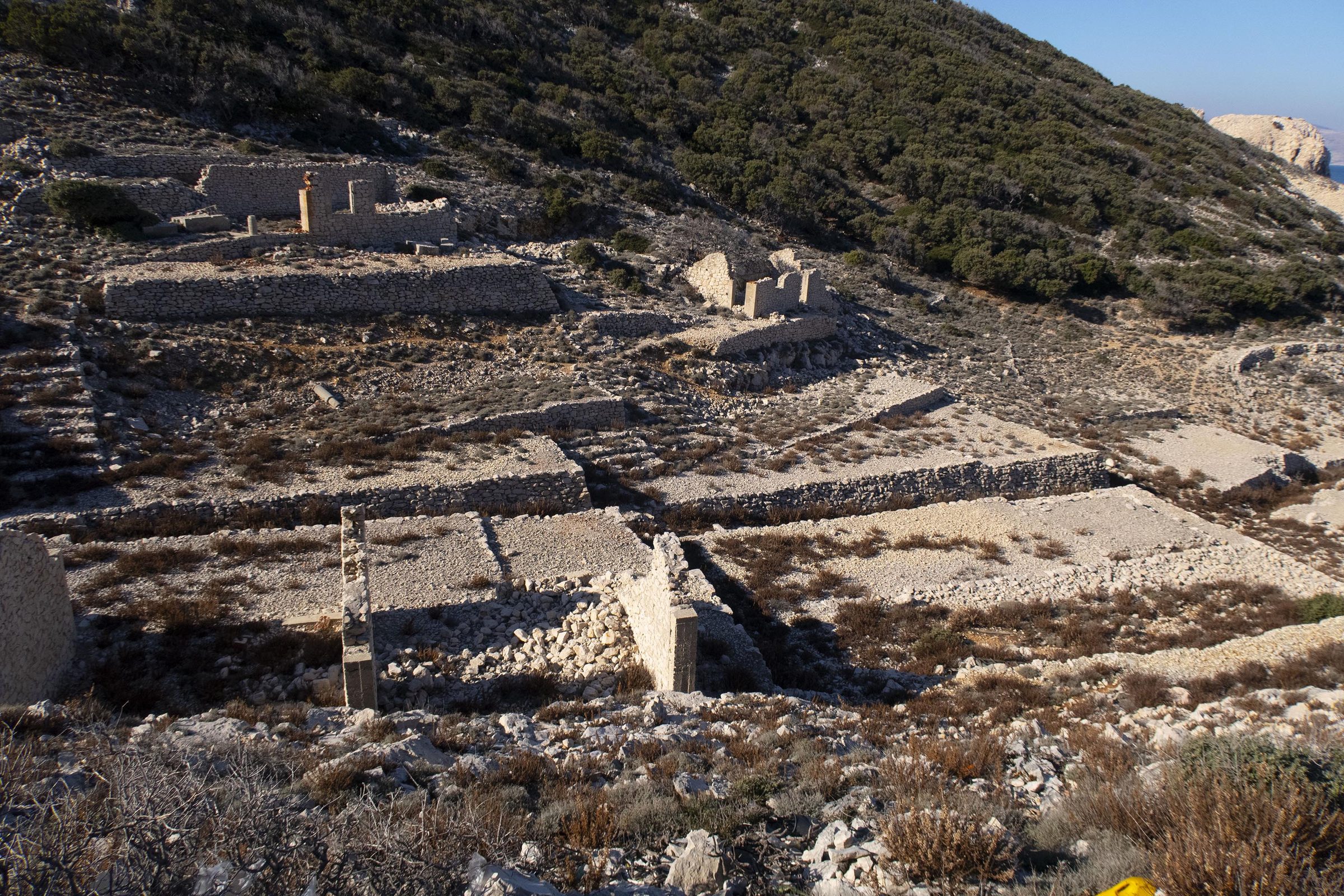
The women’s camp for real and alleged supporters of the Cominform Resolution was a gender-segregated segment of the Yugoslav system of political internment. Unlike the men, whose internment is most often associated with Goli otok, the main place of internment for women changed over the years.
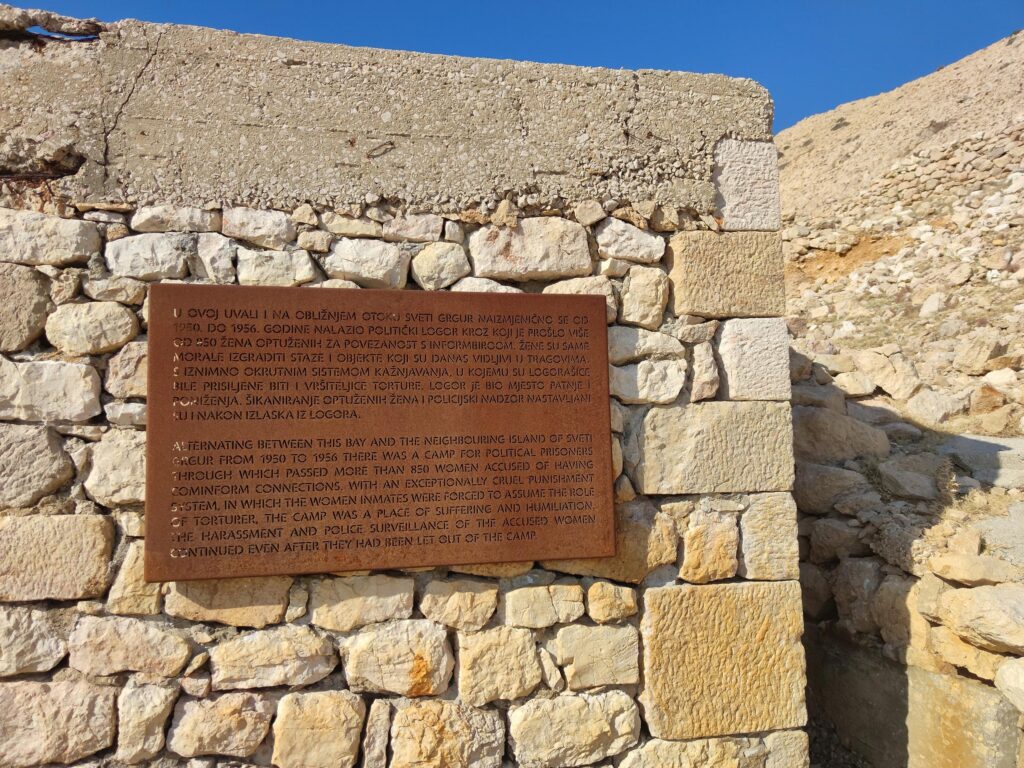
The women’s segment of Cominform internment was numerically smaller than the men’s. The main island location was Sveti Grgur, while on Goli otok there was a short-lived separate women’s sector. The literature cites around 870 women, with differences depending on the criteria and the available records. Most came from Serbia and Montenegro, followed by Croatia and Bosnia and Herzegovina, with smaller numbers from other republics and several foreign nationals.
Spatial development: a chain of sites
Ramski rit (1949–1950)
This represents the initial mainland phase: women suspected of links with the Cominform were sent to forced labour in a camp near the Romanian border.
Zabela, Požarevac (1950)
This functioned as a transit and investigation phase, under a prison regime, in which interrogations and administrative processing were carried out before the women were sent to the islands.
Sveti Grgur (spring 1950 – spring 1951)
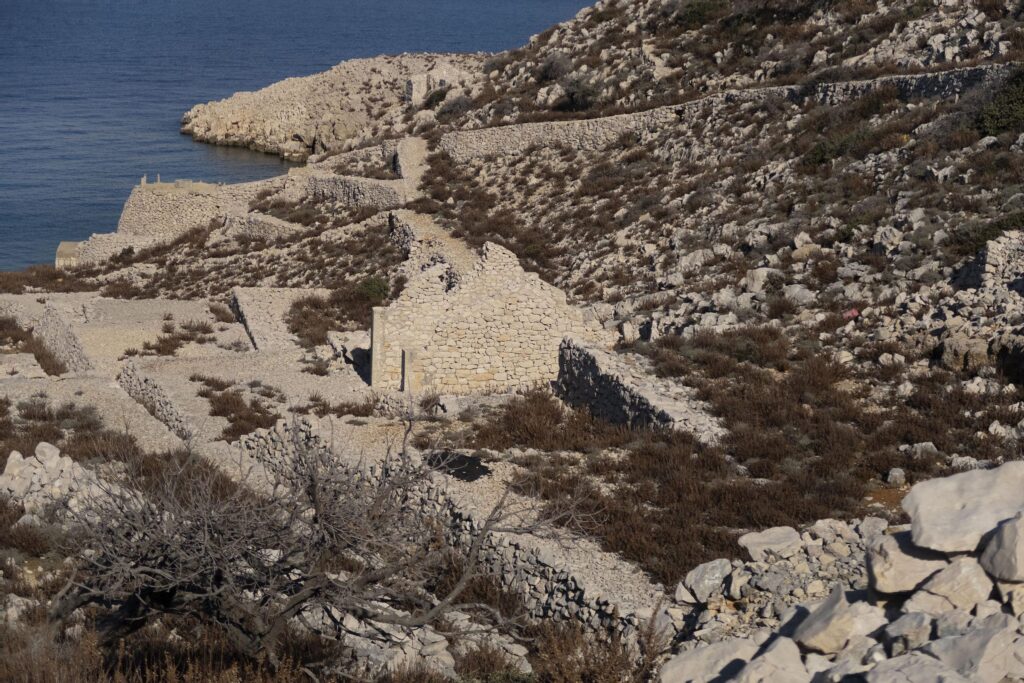
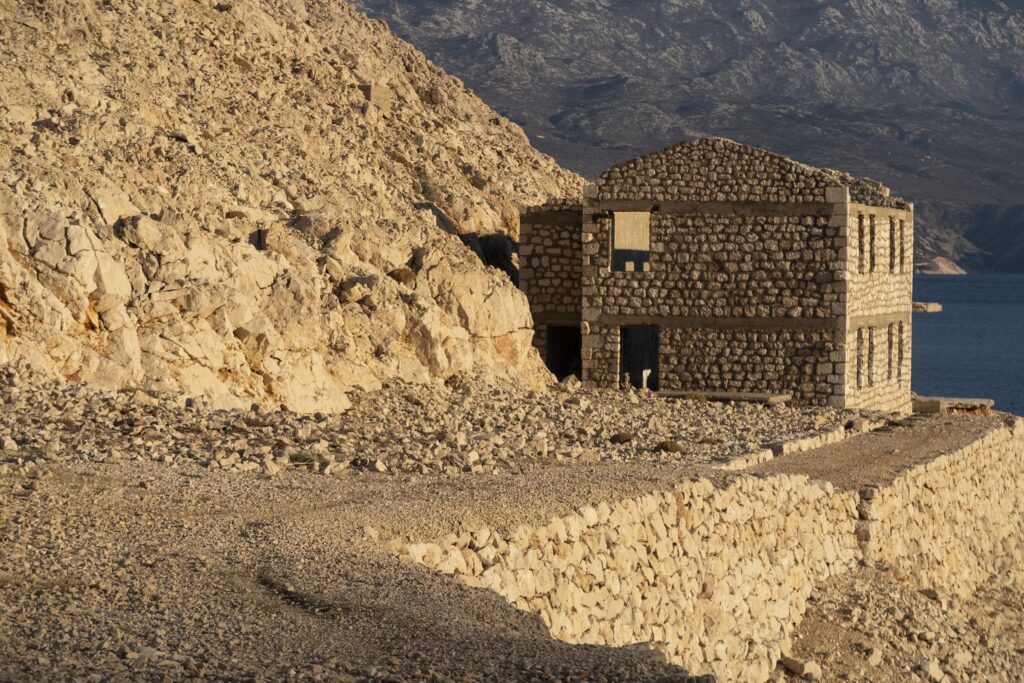
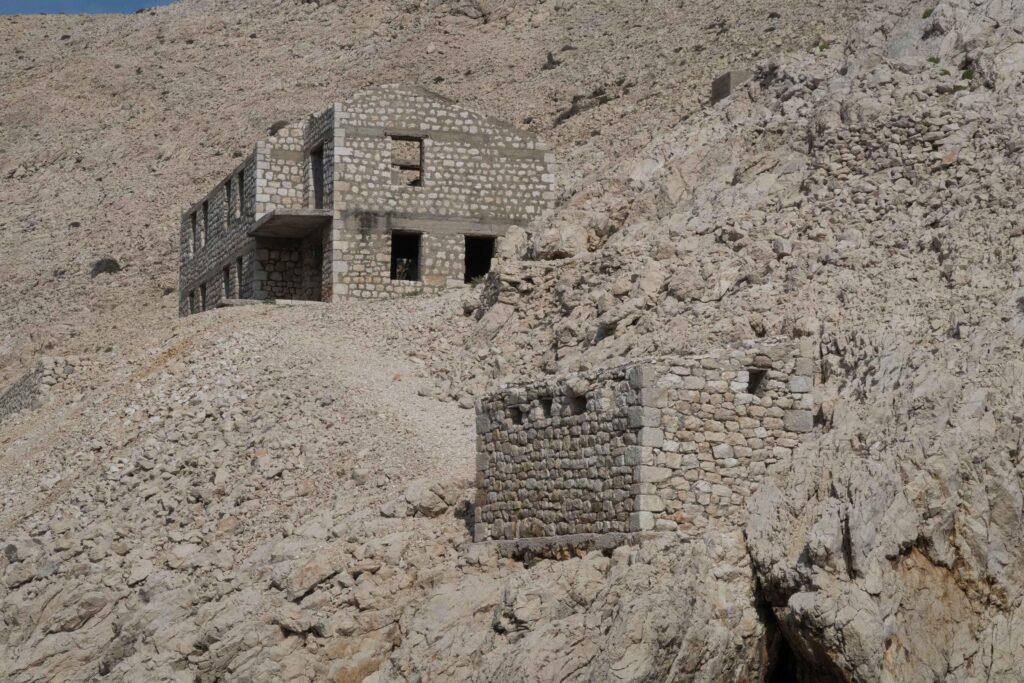
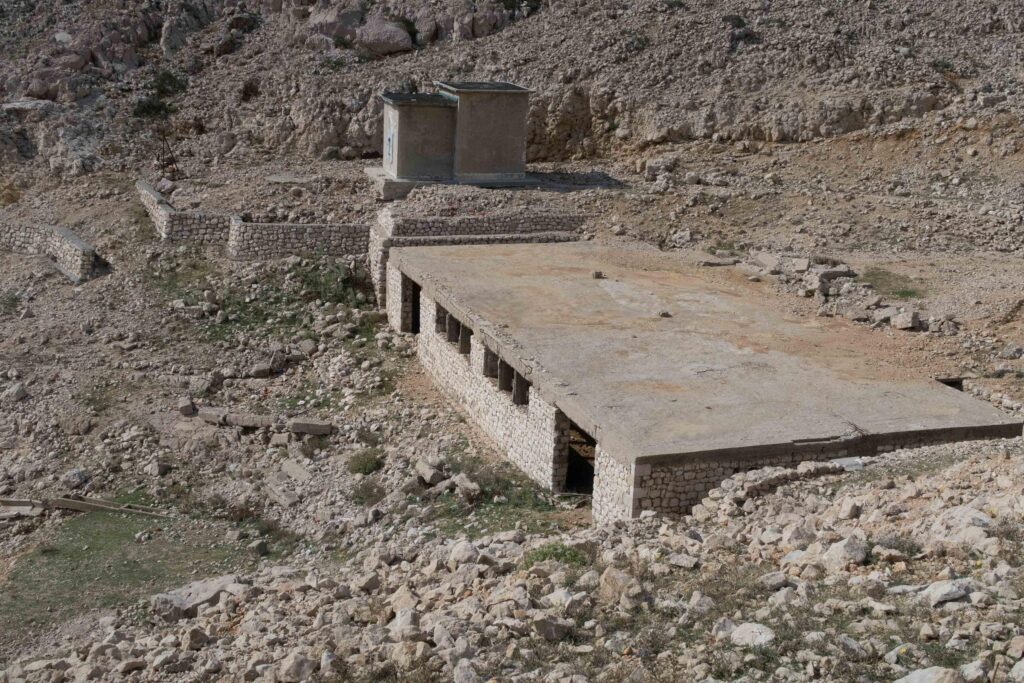
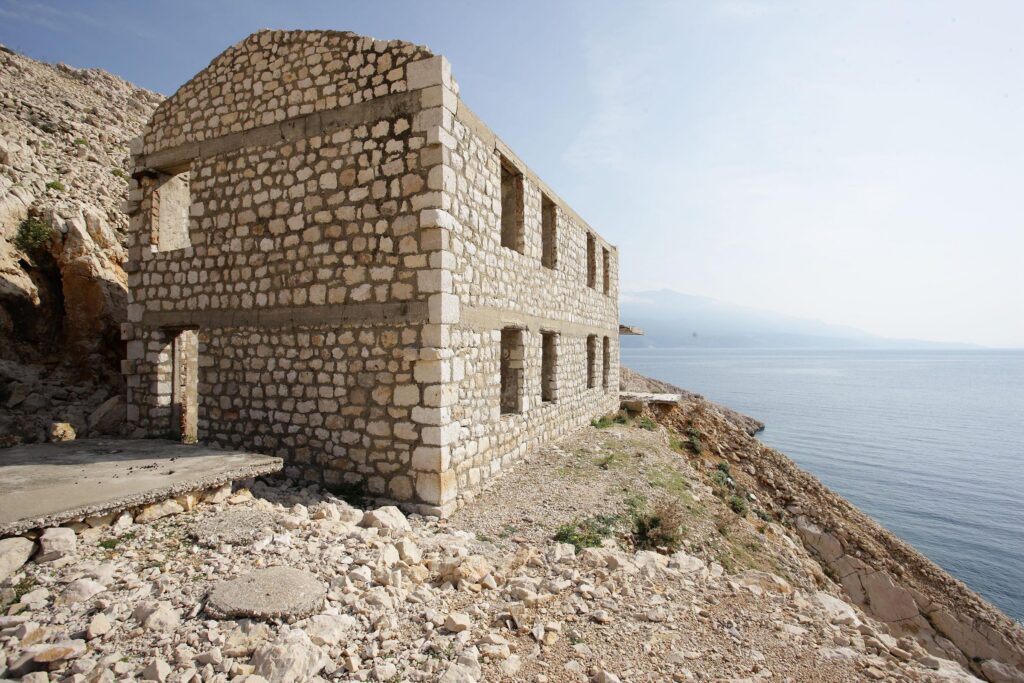
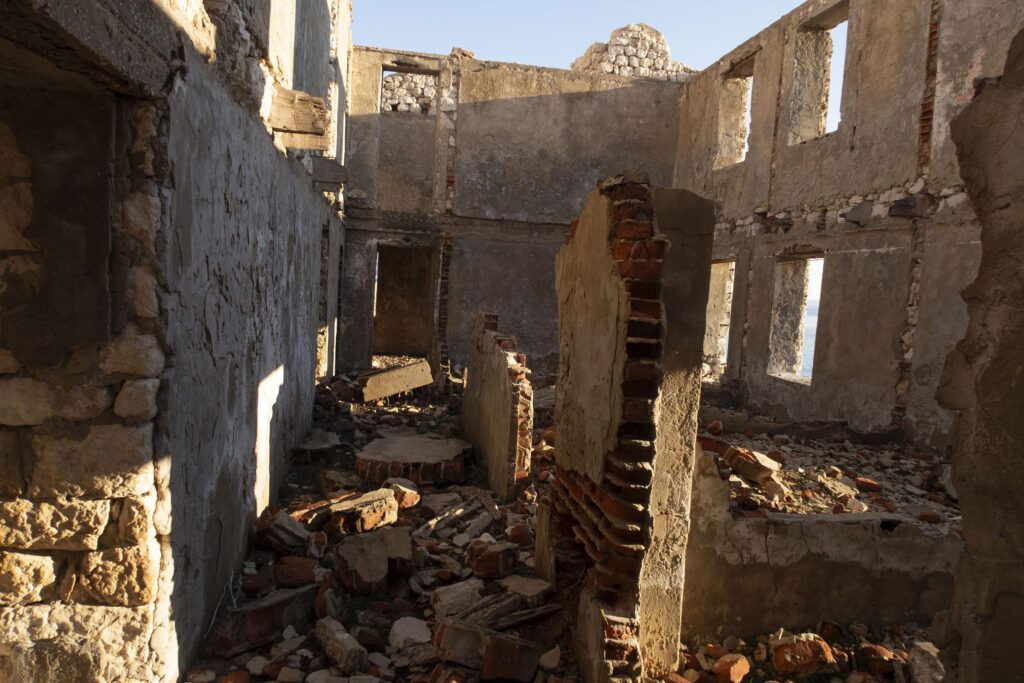
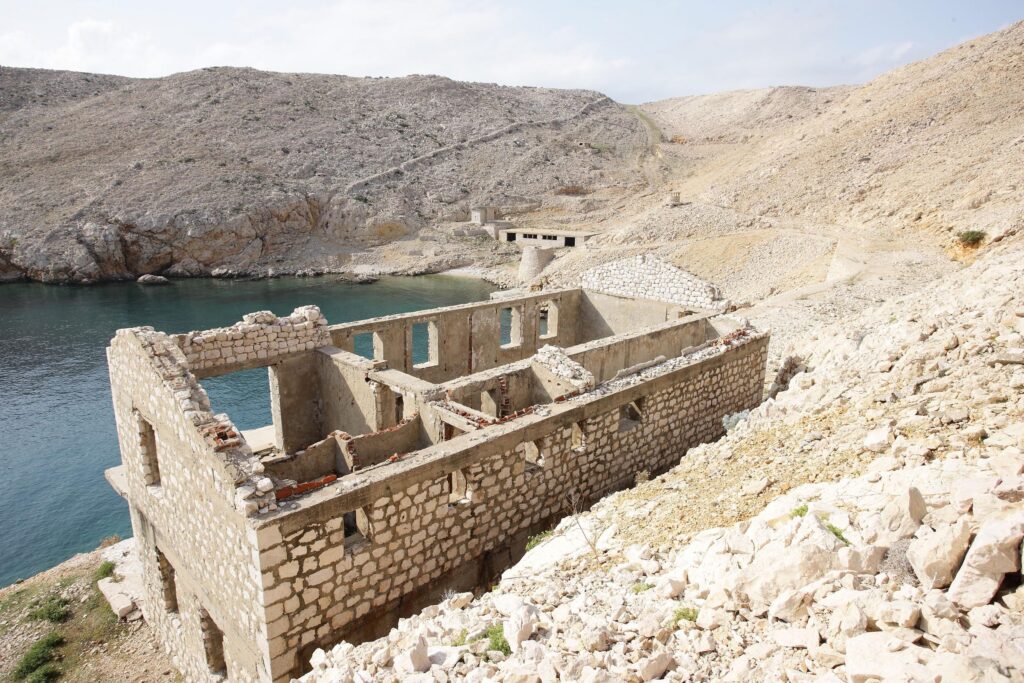
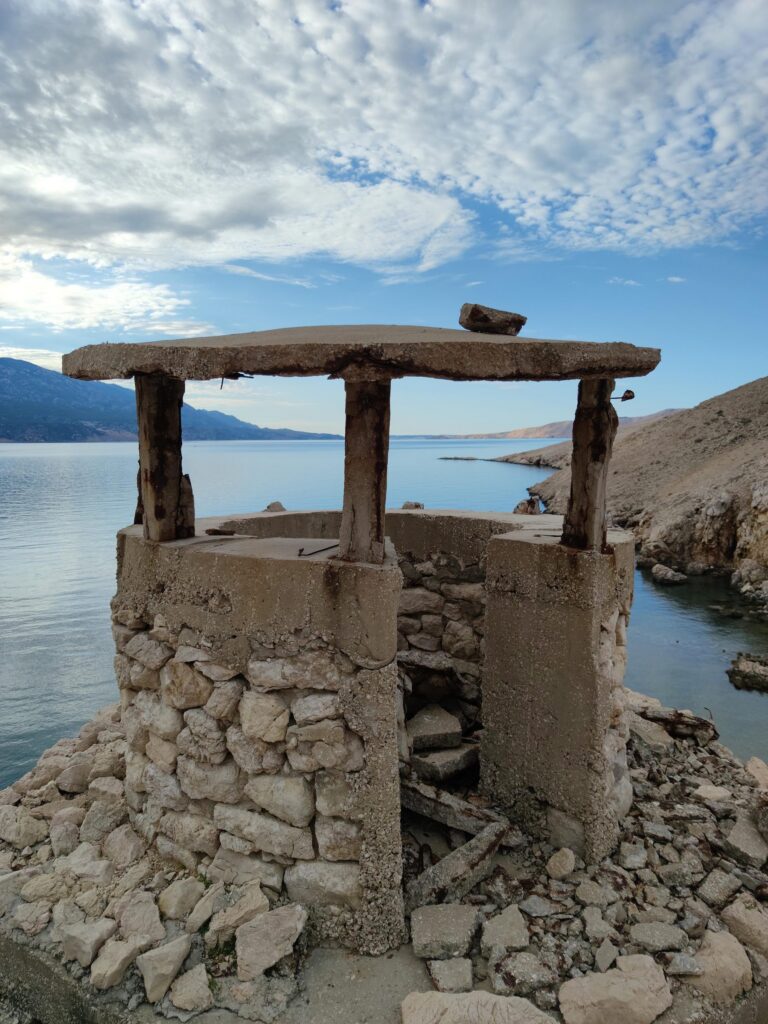
Sveti Grgur emerged as the main place of internment for women in the Cominform period. Although the women’s and men’s camps were strictly separated, so that female and male prisoners did not meet, camp facilities existed on both islands at various stages. Nevertheless, women remained predominantly and for longer tied to Sveti Grgur. The men’s camp on Sveti Grgur was associated with military personnel.
Goli otok – Worksite V / R-5 (spring 1951 – spring 1952)
This was a separate women’s camp on Goli otok, physically separated from the men’s worksites.
Return to Sveti Grgur (1952–1956)
The women returned to Sveti Grgur and remained there until the amnesty in late 1956. In the final phase a small number of women are also recorded together with the remaining administrative prisoners on Grgur.
Legal status and the course of internment
Like the men, the women were interned by the administrative measure of DKRDKRSocially useful labour (društveno-koristan rad) – an administrative measure by which persons could be sent to forced labour without regular court proceedings. (socially useful labour): without a public trial, without a lawyer and without procedural guarantees. Decisions were made by the security services and the party leadership, on the basis of UDBAUDBAState Security Administration (Uprava državne bezbednosti) – the Yugoslav secret political police responsible for the surveillance and persecution of real or alleged opponents of the regime. reports, and the length of stay could be extended by new rulings.
A small number of women received court sentences, but these cases too belonged to the political rather than the conventional criminal justice system.
Special groups within the system
Particularly notable are the “Ramričanke” – women sent to Ramski rit, among the first female prisoners arrested after the Cominform Resolution. Their testimonies are an important source for understanding the early phase of women’s internment.
Also mentioned are the Bosnian “revidirke” – women who had “revised” their stance in Bosnian prisons and were then sent to put further pressure on other women and to incite violence in the camp. Their arrival is most often associated with 1951.
The women’s camp compared with the men’s camp
While the men’s camp is most often associated with Goli otok as the central place of internment, the women’s camp system was organised across several sites and transfers, depending on the phase of repression, construction and labour. Alongside Zabela, Sveti Grgur and the women’s sector on Goli otok, an important role was also played by the camp in Stolac in Bosnia and Herzegovina, where women were likewise subjected to a regime of forced labour in a quarry.
The women’s camp therefore cannot be described simply as a single island unit, but rather as a network of internment and labour sites. Nor was the men’s system entirely tied to one place, as men too were transferred between different sites, including Sveti Grgur, and later other worksites such as Bileća.
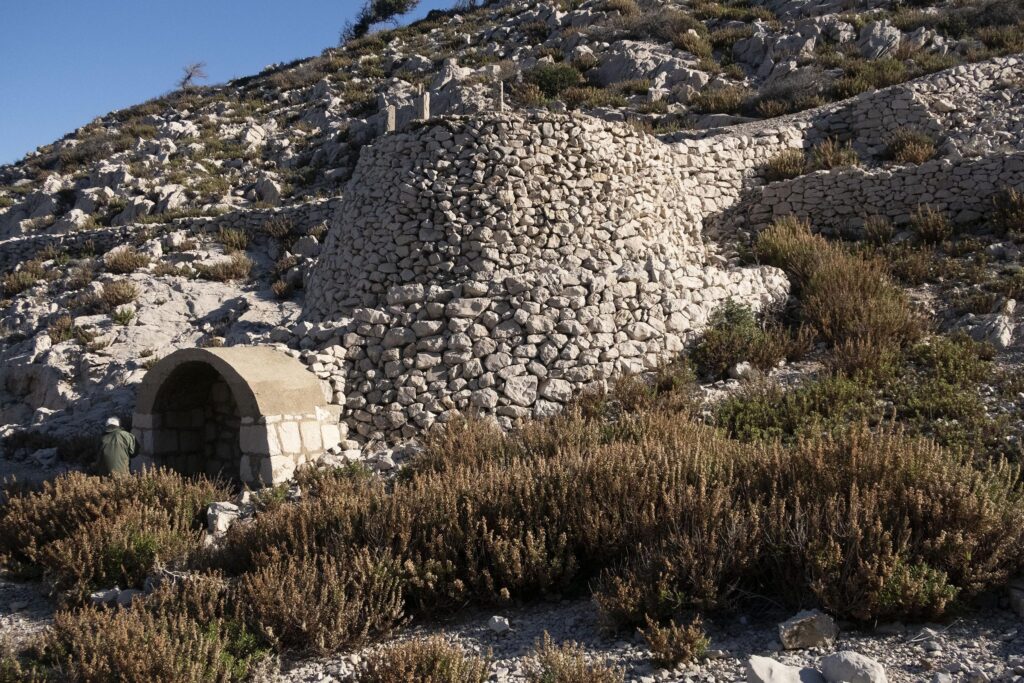
Forced labour in quarries and on harsh karst terrain was the material basis of so-called “socially useful labour”.
Photographs
Glossary
- DKR
- Socially useful labour (društveno-koristan rad) – an administrative measure by which persons could be sent to forced labour without regular court proceedings.
- UDBA
- State Security Administration (Uprava državne bezbednosti) – the Yugoslav secret political police responsible for the surveillance and persecution of real or alleged opponents of the regime.