

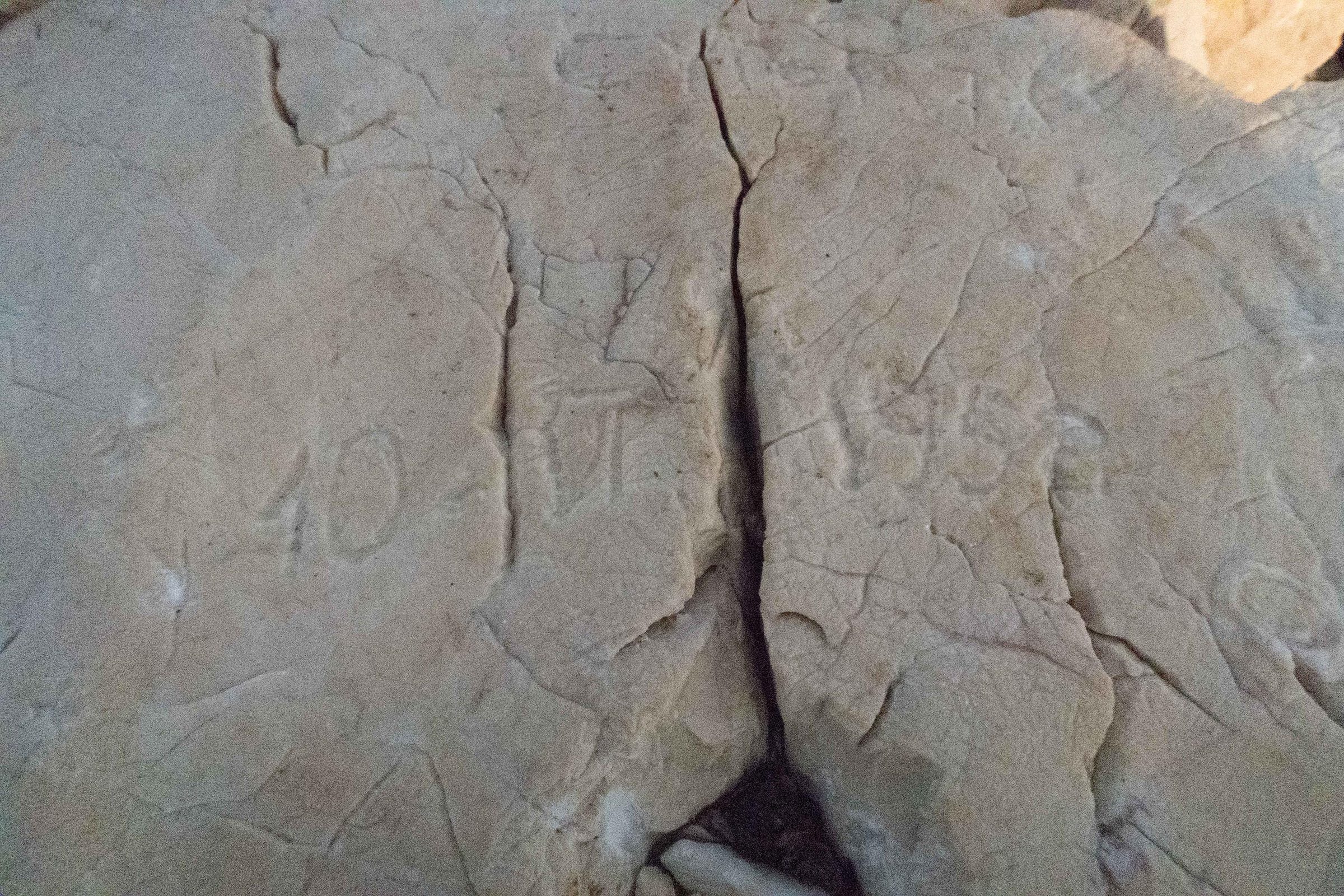
1. The official reason: “IB-ist” (“ibeovac”) = supporter of the Informbiro (IB)
After the Cominform Resolution of 28 June 1948, the leadership of the KPJKPJCommunist Party of Yugoslavia (Komunistička partija Jugoslavije). decided to isolate everyone it considered inclined towards the Soviet Union.
Archival material and analyses of UDBAUDBAState Security Administration (Uprava državne bezbednosti) – the Yugoslav secret political police responsible for the surveillance and persecution of real or alleged opponents of the regime. files show that the term “IB-ist” was often defined very loosely: as a “supporter of StalinJoseph Vissarionovich StalinSoviet communist leader and dictator who ruled the Soviet Union from 1924 (after Lenin’s death) until his own death in 1953.”, an “Informbiroist”, a “Cominformist” and the like. As relations with the USSR deteriorated further after the publication of the Cominform ResolutionCominform ResolutionThe 1948 political decision of the Cominform accusing Yugoslavia of deviating from the Soviet model of socialism, which led to the break with the USSR and the beginning of political persecution within the country. in 1948, and the hostility did not abate the following year, 1949, more and more people were imprisoned and punished “under the IB”.
2. What was enough in practice for someone to end up in the camp?
On the basis of UDBA files and the statements of those punished, in practice serious reasons such as these were rare:
- collaboration with Soviet intelligence services
- writing or signing pro-Cominform letters
- participation in illegal groups (e.g. the “Bolshevik Faction of the KPJ”, the “New KPJ”, etc.)
- distributing leaflets or organising meetings in favour of the USSR
In the majority of cases, actions that did not demonstrably involve any political activity were also “enough”.
- verbal offences and criticism of the regime, including criticism of Tito’s policy towards the USSR, opposition to anti-Soviet propaganda in Yugoslavia, and open dissatisfaction with the party bureaucracy and the privileges of the leadership
- criticism of economic measures and living standards – complaints about shortages and the difficult economic situation could be interpreted as “supporting the Cominform Resolution”, especially in poorer regions
- listening to the “wrong” radio – merely listening to radio stations of the Cominform countriesCominform countriesSocialist states under Soviet influence (Bulgaria, Romania, Hungary, Poland and Czechoslovakia) that made up the Cominform. Yugoslavia was a member until its expulsion in 1948. (e.g. Radio Moscow) could be read in UDBA documents as agreement with Soviet or Cominform propaganda
- “fault-finding” and doubtful loyalty – insufficient condemnation of the Soviet Union or of the parties that signed the Resolution, public agreement with the Resolution or parts of it, silence at party meetings or a neutral stance, helping the family of an already convicted Cominformist
- biographical “guilt” – old communists with ties to the USSR (veterans of the October RevolutionOctober RevolutionThe Bolshevik seizure of power in Russia in 1917 and the beginning of the Soviet state. Some South Slavs were in Russia at the time as prisoners of war or workers, and some took part in the revolution or served in the Red Army., Spanish fightersSpanish Civil WarThe 1936–1939 war between the Republic and the nationalists of General Francisco Franco, who established a dictatorship after his victory. Volunteers from Yugoslavia (“Spanish fighters”) fought mainly in the International Brigades on the side of the Republic., pre-war communists), people who had lived or studied in countries whose parties had signed the Resolution, people with spouses from those countries or whose spouses had already been accused under the IB, officials in foreign affairs – often arrested because they were regarded as potential “Stalin’s cadre” in the event of Tito’s fall
- denunciations, personal revenge and local campaigns – the system rested on a network of informers; anonymous reports, feuds between neighbours and score-settling among communists ended up in UDBA reports and could lead to arrest
3. Who were these people – by social group?
Estimates of the number of prisoners differ depending on the definition. Research states that around 13,000 people passed through the camp on Goli otok (1949–1956), while the number of those placed under surveillance or detained elsewhere was considerably higher.
According to analyses of the files:
- most were members of the KPJ – from ordinary party members to senior officials
- a large proportion were veterans of the NOBNOBPeople’s Liberation Struggle (Narodnooslobodilačka borba) – the Partisan resistance and armed struggle against the occupiers and their collaborators in Yugoslavia in 1941–1945, led by the KPJ. and officers of the JNAJNAYugoslav People’s Army (Jugoslavenska narodna armija) – the official name of the Yugoslav armed forces.
- those arrested included workers, peasants, intellectuals, university students and secondary-school pupils
- women form a distinct segment – senior officials in post-war Yugoslavia or women who were linked to the Cominform Resolution in the ways described above, as well as women imprisoned as wives or relatives of IB-ists
4. What did this look like in concrete terms for the individual?
The typical path was as follows:
- Someone reports a statement, an attitude or a connection with an “IB-ist” group.The UDBA generally assumed that IB-ists formed groups.
- The UDBA arrests the person and conducts an investigation in the remand prison.
- The investigation has two aims: that under heavy pressure the person confess to “IB-ist activity” and that they denounce others.Associates, sympathisers, “radio listeners”.
- This is followed by trial before a military court (for senior JNA officers) or the imposition of an administrative penalty of “socially useful labour” – internment in a camp.
- Before internment almost everyone passes through special wings of regular prisons.E.g. the former prison in Petrinjska Street in Zagreb or Zabela in Požarevac.
- Transport into the camp system – the largest being that of Goli otok and Sveti Grgur.
Photographs
Glossary
- KPJ
- Communist Party of Yugoslavia (Komunistička partija Jugoslavije).
- UDBA
- State Security Administration (Uprava državne bezbednosti) – the Yugoslav secret political police responsible for the surveillance and persecution of real or alleged opponents of the regime.
- Joseph Vissarionovich Stalin
- Soviet communist leader and dictator who ruled the Soviet Union from 1924 (after Lenin’s death) until his own death in 1953.
- Cominform Resolution
- The 1948 political decision of the Cominform accusing Yugoslavia of deviating from the Soviet model of socialism, which led to the break with the USSR and the beginning of political persecution within the country.
- Cominform countries
- Socialist states under Soviet influence (Bulgaria, Romania, Hungary, Poland and Czechoslovakia) that made up the Cominform. Yugoslavia was a member until its expulsion in 1948.
- October Revolution
- The Bolshevik seizure of power in Russia in 1917 and the beginning of the Soviet state. Some South Slavs were in Russia at the time as prisoners of war or workers, and some took part in the revolution or served in the Red Army.
- Spanish Civil War
- The 1936–1939 war between the Republic and the nationalists of General Francisco Franco, who established a dictatorship after his victory. Volunteers from Yugoslavia (“Spanish fighters”) fought mainly in the International Brigades on the side of the Republic.
- NOB
- People’s Liberation Struggle (Narodnooslobodilačka borba) – the Partisan resistance and armed struggle against the occupiers and their collaborators in Yugoslavia in 1941–1945, led by the KPJ.
- JNA
- Yugoslav People’s Army (Jugoslavenska narodna armija) – the official name of the Yugoslav armed forces.