

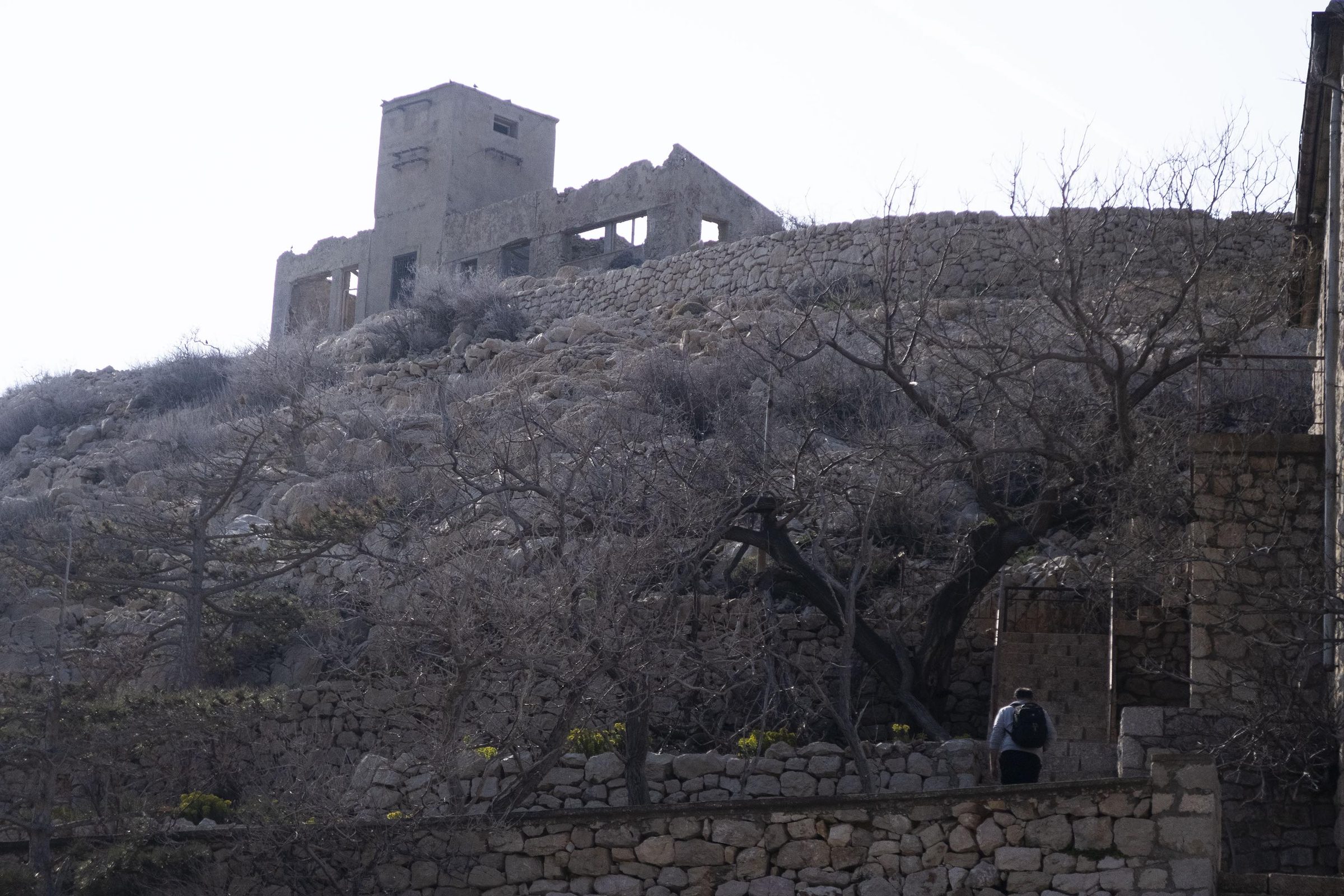
The Cominform camp on Goli otok and Sveti Grgur ceased operating in the mid-1950s. It was wound down in the context of the gradual normalisation of relations between Yugoslavia and the USSR after the Belgrade Declaration (2 June 1955) and the dissolution of the Cominform (1956).
The system of administrative internment of IB-ists (“ibeovci”) was gradually abolished, and in official records the same site is presented as having been reorganised into a penal and correctional institution, which operated until the end of 1988.
The Belgrade Declaration is a document (a joint political statement) by which Yugoslavia and the USSR marked the restoration and normalisation of their relations in 1955. It signalled an easing of the exceptional “confrontational” atmosphere that had accompanied the Cominform period, and the closing of this phase of repression accelerated.
- 2 June 1955The Belgrade Declaration – the beginning of the normalisation of relations
- 1956Dissolution of the camp on Goli otok; end of the Cominform camp regime
- 1956–1988Goli otok operates as a penal and correctional facility
- 20 July 1987Decision to abolish the penal and correctional facility on Goli otok
- 31 December 1988Official closing date of the penal and correctional facility
The end of the Cominform period (1955–1956)
In the final phase the change is presented in official records as a “reorganisation”: the system of internment of persons linked to the Cominform was transformed into a penal and correctional facility. This put an end to the model under which, from 1949, large numbers of people had been sent by administrative means, without a court judgment and without standard procedural guarantees.
By November 1956 the UDBAUDBAState Security Administration (Uprava državne bezbednosti) – the Yugoslav secret political police responsible for the surveillance and persecution of real or alleged opponents of the regime. had released most of the remaining detainees. A small number were transferred to other institutions or remained until the end of their sentences. From the end of 1956 the site was used as a prison within the “regular” prison system.
The Rab Penal and Correctional Facility – Goli otok (1956–1988)
After 1956 Goli otok and Sveti Grgur were incorporated into the system of the Rab Penal and Correctional Facility, and from 1967 the institution came under the republic-level jurisdiction of SR CroatiaSR CroatiaSocialist Republic of Croatia – one of the six republics of the SFR Yugoslavia.. The site of the former camp was thus formally integrated into the regular system for the execution of sentences.
The prison received various groups of convicts: political prisoners of the new period, persons convicted of ordinary crimes and, from the 1960s, young adults. Different surveillance regimes were introduced, and although the official emphasis was on work, education and training, some testimonies point to continued humiliation and violence.
The role of Sveti Grgur
Sveti Grgur operated as a separate part of the same system, mainly for women, while men were mostly held on Goli otok.
Abolition of the institution (1987–1988)
The penal and correctional facility was abolished by decision of the republic authorities and closed on 31 December 1988. The “Velebit” enterprise unit also ceased operating at that time. The reasons given were socio-political, economic and penological.
This brought to an end almost forty years of deprivation of liberty on Goli otok and Sveti Grgur.
After the closure (1988–1992)
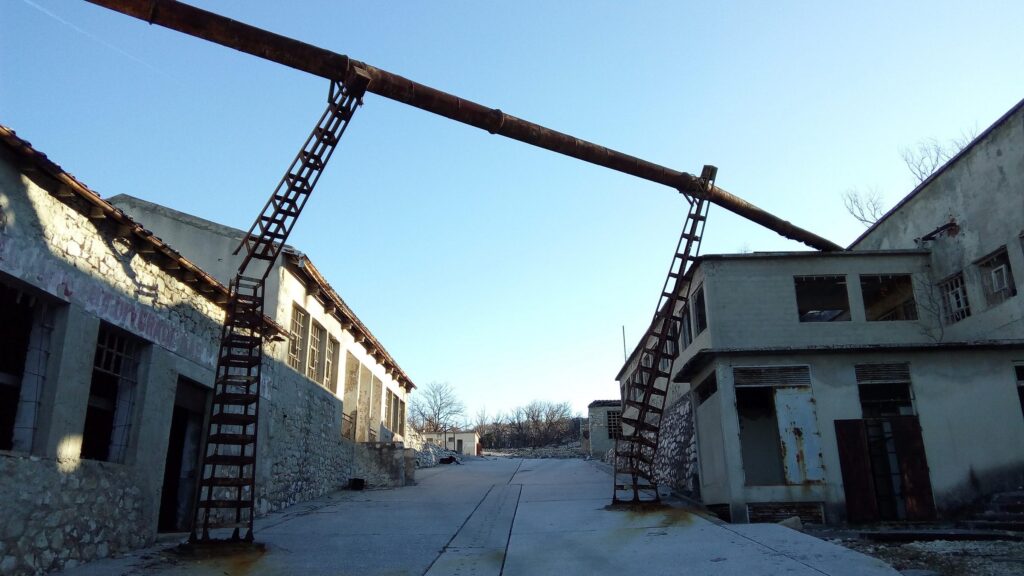
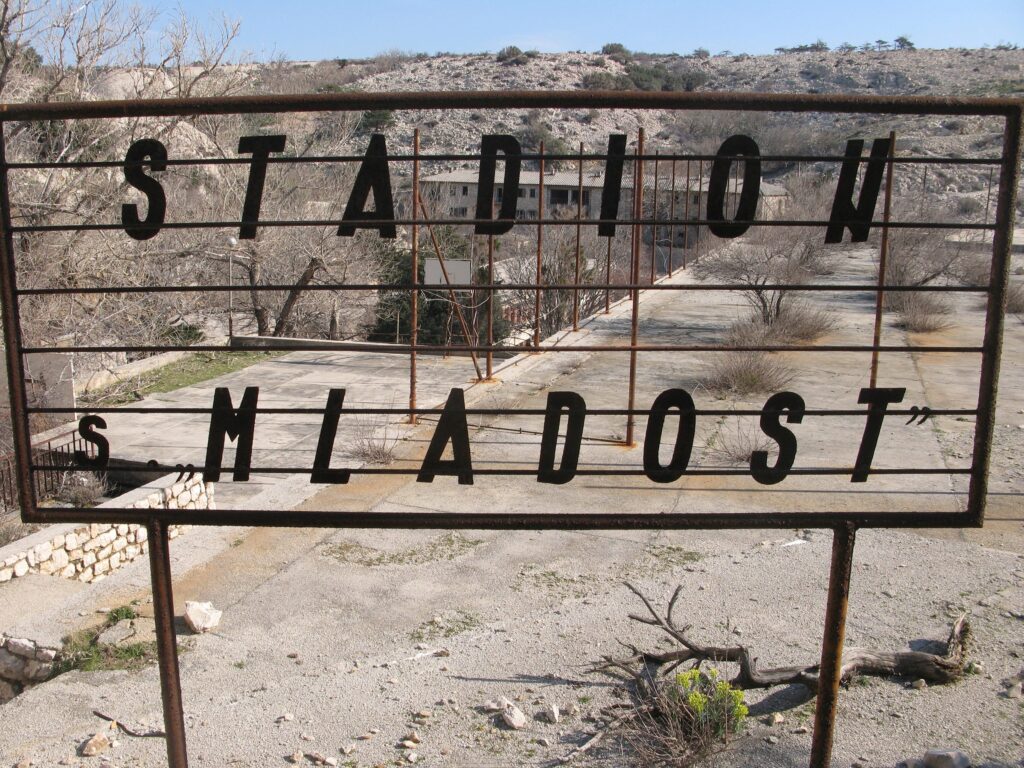
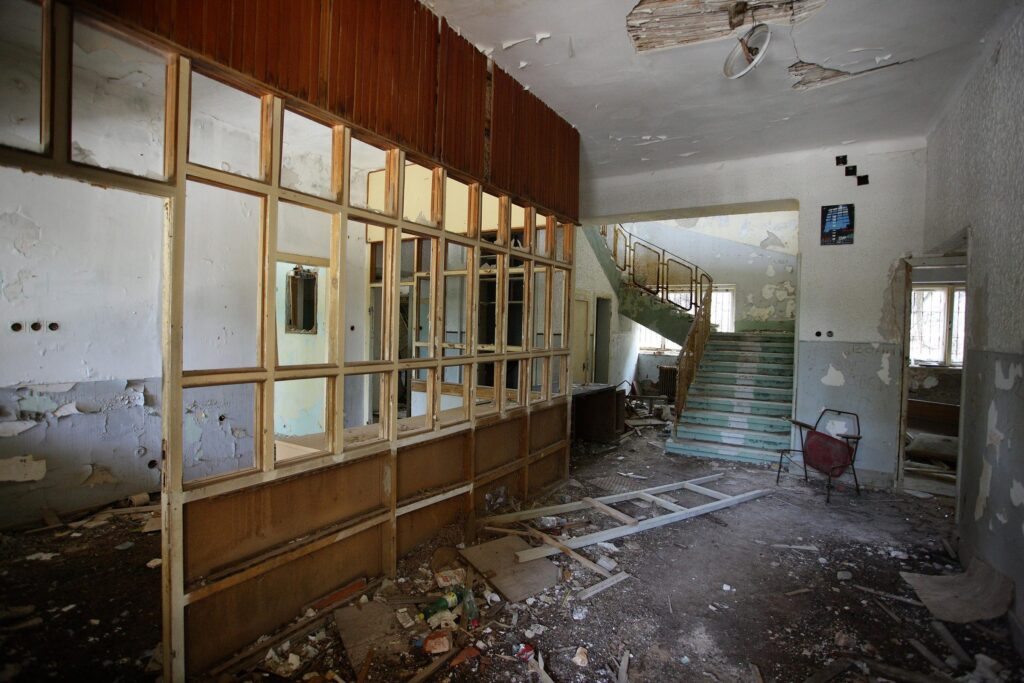
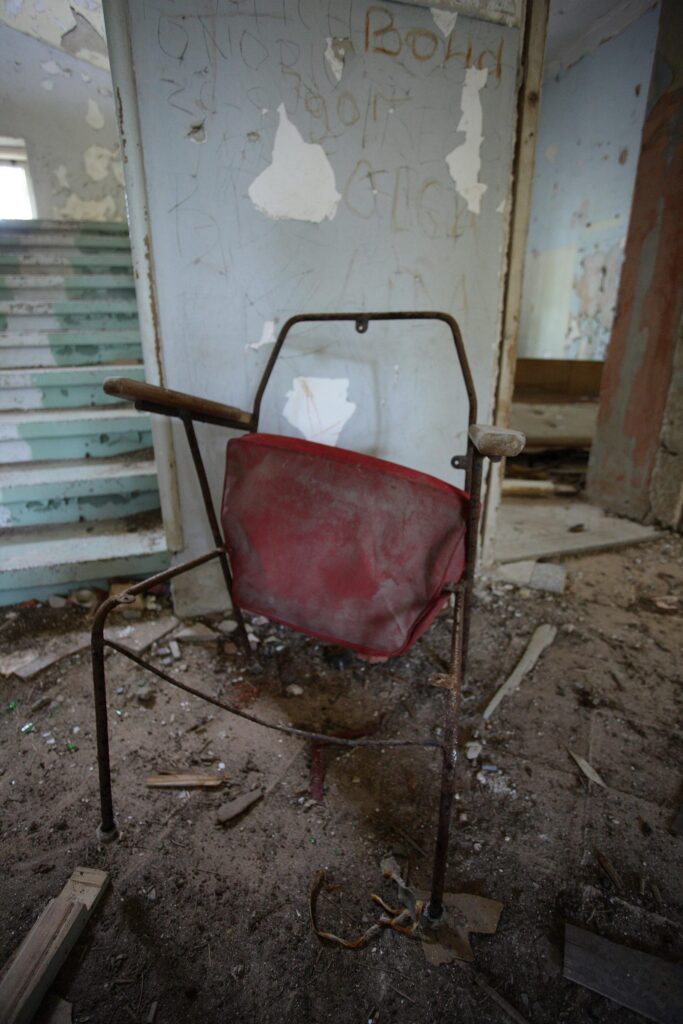
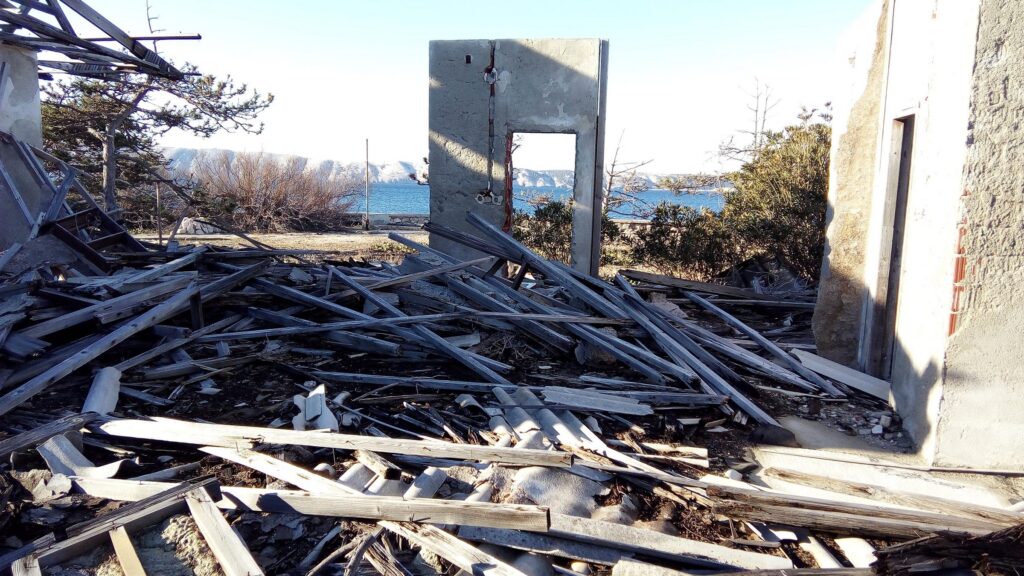
After the prison was abolished, the management of Goli otok passed to the Municipality of Rab, which transferred the right of use to local enterprises for tourist and commercial purposes. In the early 1990s surveillance and maintenance ceased, and from 1992 the complex was left without guards. Devastation followed, with equipment carried off and the buildings rapidly falling into decay.
Sveti Grgur after 1988
Sveti Grgur remains uninhabited, with visible remains of camp and prison buildings. Today it is regarded both as a site of former repression and as a destination for day trips, but without a systematically developed interpretation that would match the gravity of the site.
Remains of the prison
Glossary
- UDBA
- State Security Administration (Uprava državne bezbednosti) – the Yugoslav secret political police responsible for the surveillance and persecution of real or alleged opponents of the regime.
- SR Croatia
- Socialist Republic of Croatia – one of the six republics of the SFR Yugoslavia.