

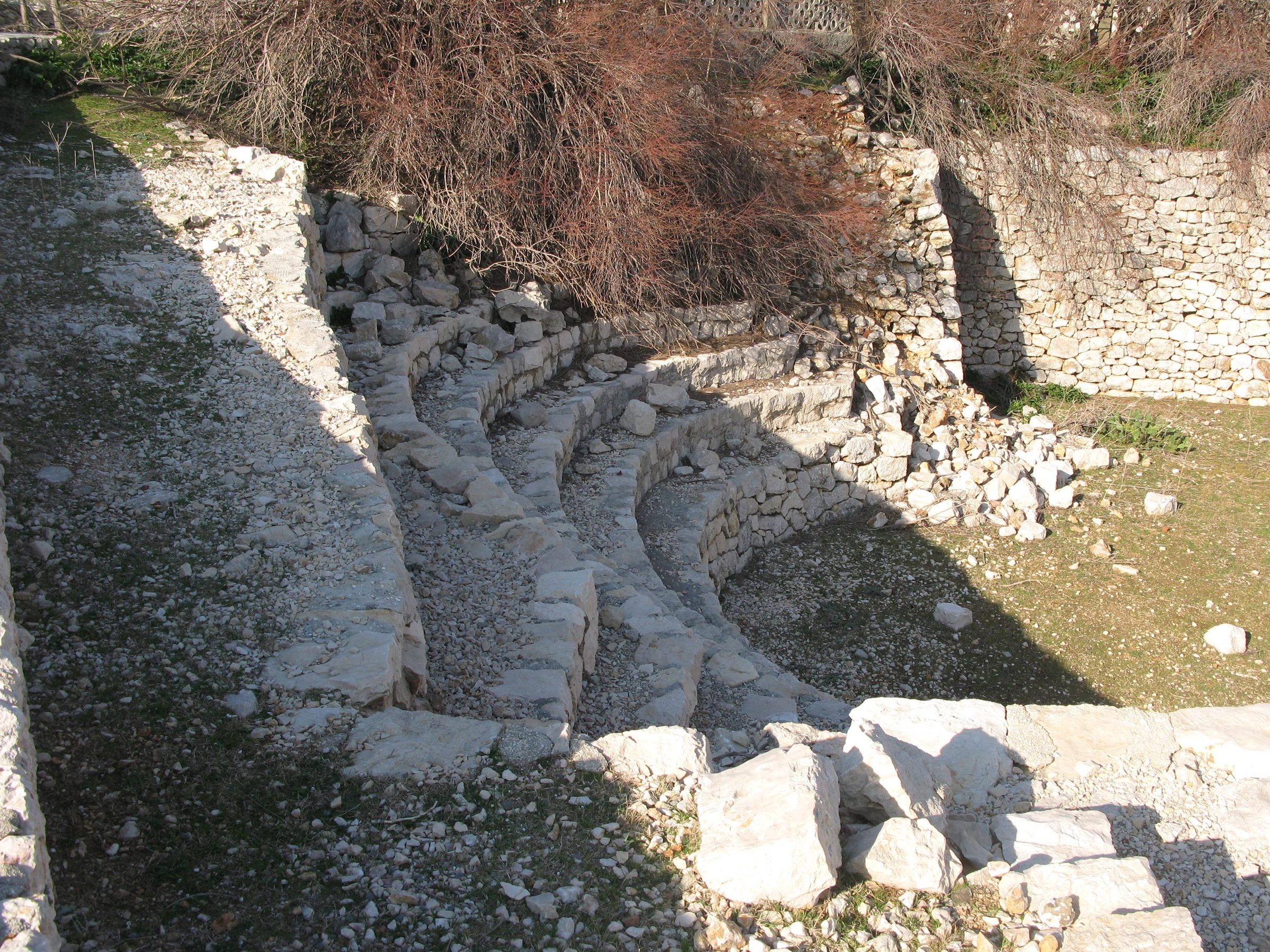
Worksite 101 (R-101) was set up in the first half of 1950, at the height of the repression following the conflict with the Cominform (Informbiro)InformbiroColloquial name for the Cominform – an international organisation of communist parties founded in 1947 for political coordination under the leadership of the USSR.. Unlike other worksites such as “Old Wire” (Stara žica) and “Big Wire” (Velika žica), it was a hidden, separate space – the most isolated part of the system.
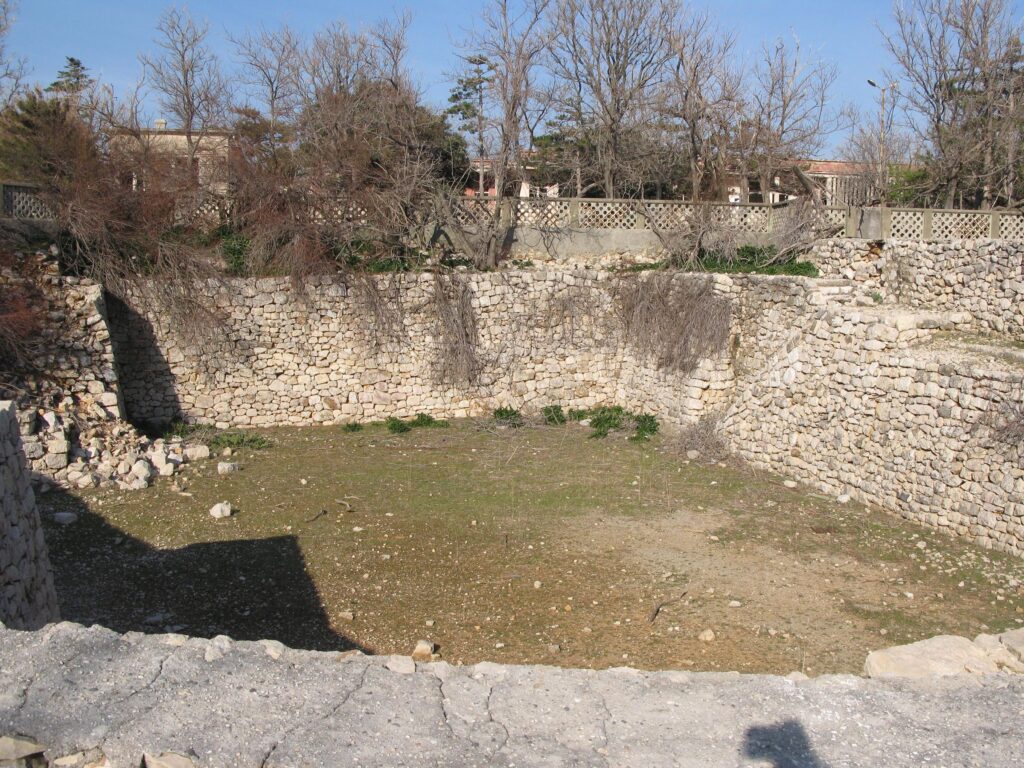
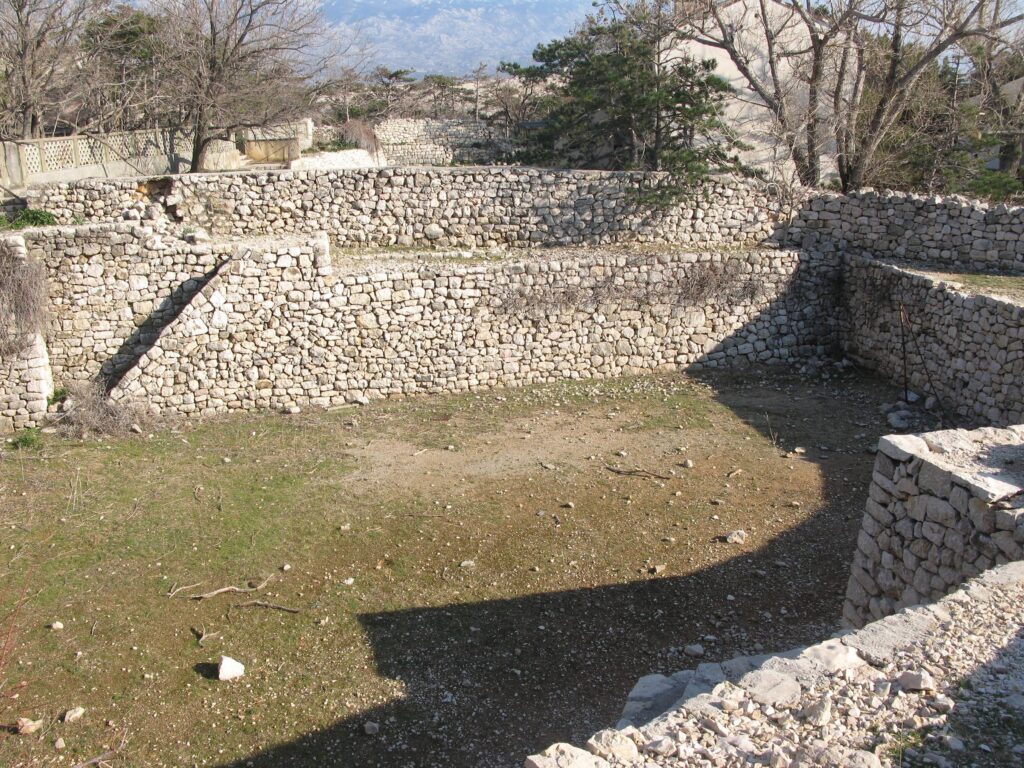
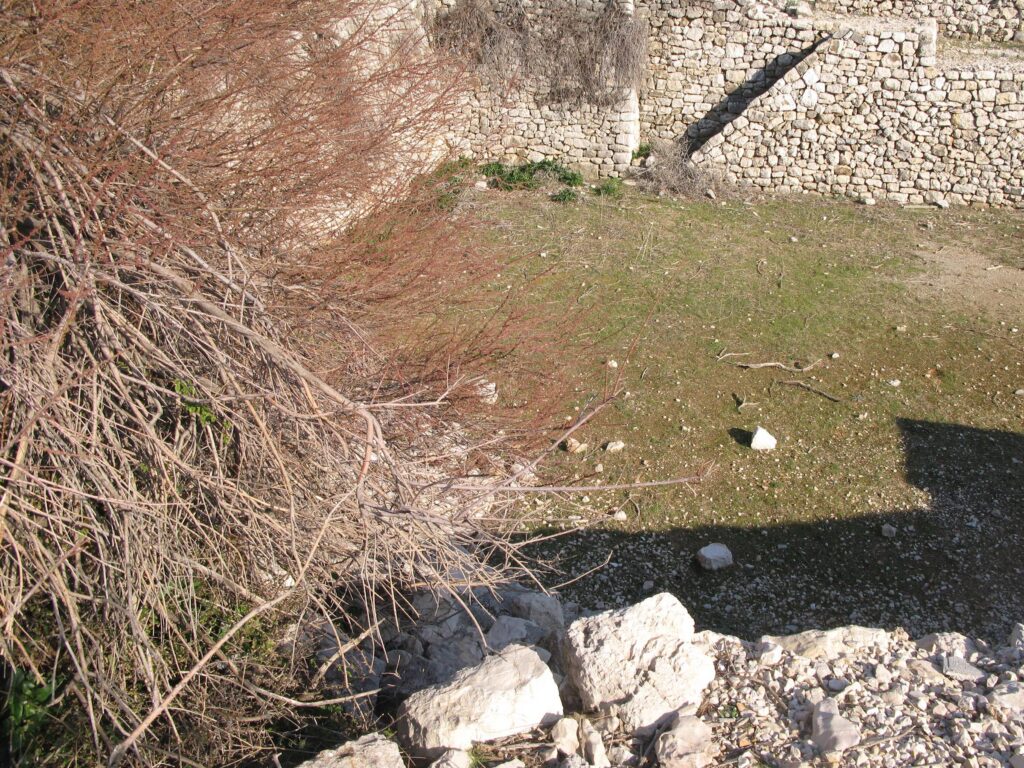
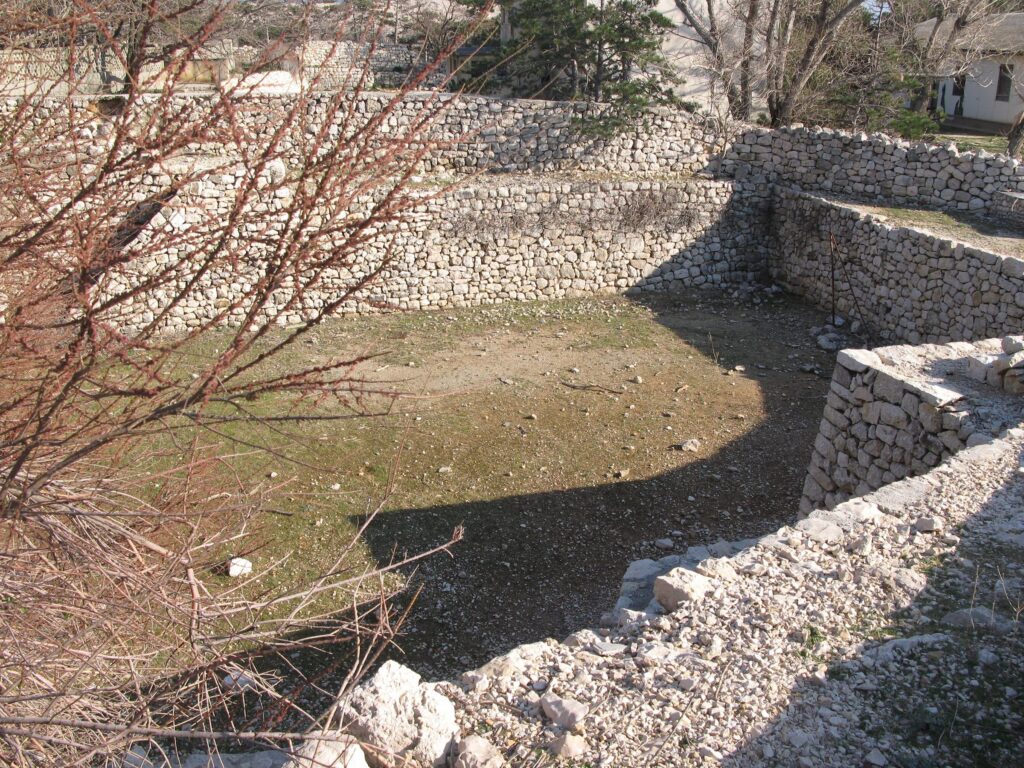
The first location was a large circular pit about 20 metres in diameter and 7 metres deep, created during an unsuccessful interwar search for bauxite. The site lay about 700 metres from “Big Wire”, the men’s camp for most of the other prisoners, near a water cistern. The existence of the camp was kept a strict secret and was unknown to most of the other prisoners.
Why “Peter’s Hole”?
The official UDBAUDBAState Security Administration (Uprava državne bezbednosti) – the Yugoslav secret political police responsible for the surveillance and persecution of real or alleged opponents of the regime. name was Worksite 101 (R-101), after the number of the first detainees. The prisoners named it “Peter’s Hole” (Petrova rupa) after Petar KomnenićPetar Komnenić (1895–1957)Montenegrin communist politician, president of the Constituent and People’s Assembly of the People’s Republic of Montenegro and a minister. After the conflict with the Cominform he was arrested for supporting the Cominform and interned on Goli otok., the former president of the Assembly of Montenegro, who, on being told that he would change his stance at the “worksite”, replied:
This is no worksite. This is a hole.
Another name was “ManastirManastirSerbian word for monastery.” (“Monastery”), because of the complete isolation of the small group.
Who were the detainees of Worksite 101?
Some 135 prisoners passed through Worksite 101 – few in number, but the most politically sensitive core of the camp. They were mostly older communists and international cadres: participants in the October RevolutionOctober RevolutionThe Bolshevik seizure of power in Russia in 1917 and the beginning of the Soviet state. Some South Slavs were in Russia at the time as prisoners of war or workers, and some took part in the revolution or served in the Red Army., fighters from the Spanish Civil WarSpanish Civil WarThe 1936–1939 war between the Republic and the nationalists of General Francisco Franco, who established a dictatorship after his victory. Volunteers from Yugoslavia (“Spanish fighters”) fought mainly in the International Brigades on the side of the Republic., pre-war communists linked to the CominternCominternThe Communist (Third) International – an international organisation of communist parties founded in Moscow in 1919, under strong Soviet influence; dissolved in 1943., senior officers of the NOVJNOVJPeople’s Liberation Army of Yugoslavia (Narodnooslobodilačka vojska Jugoslavije) – the Partisan armed forces led by the KPJ in the Second World War; later the Yugoslav People’s Army., and republic and federal officials.
Because of their potential ideological authority they represented a possible alternative to Tito’s line, so their isolation was both repression and the preventive “neutralisation” of a pro-Soviet core. The detainees were exclusively men.
Regime, daily life and labour
The organisation followed the general Goli otok model: a barrack, a room elder, a camp doctor who was himself a prisoner, a hygiene orderly and a cook. The day was structured by the wake-up, work, head counts, meals and rest.
Everyone slept in a single barrack, in two-tier wooden bunks. There was no work on Sundays – the day was used for cleaning, shaving and haircuts. There were no cultural activities, which further intensified the isolation.
Relocation and the disappearance of traces
Worksite 101 operated from July 1950 to March 1954, when the last detainees were transferred to the island of Sveti Grgur. The camp in the original pit functioned for a shorter time: as early as 1951 (according to some testimonies, 1952) it was moved to the surface, about 300 metres to the north.
At the new location there was a larger barrack (20 × 6 m), an infirmary and a kitchen within a fenced area of about 2,100 m², with a double row of barbed wire and a wall about 2 metres high. A model of it was reconstructed by former detainee Nikola Golubović.
The pit today
Glossary
- Informbiro
- Colloquial name for the Cominform – an international organisation of communist parties founded in 1947 for political coordination under the leadership of the USSR.
- UDBA
- State Security Administration (Uprava državne bezbednosti) – the Yugoslav secret political police responsible for the surveillance and persecution of real or alleged opponents of the regime.
- Petar Komnenić (1895–1957)
- Montenegrin communist politician, president of the Constituent and People’s Assembly of the People’s Republic of Montenegro and a minister. After the conflict with the Cominform he was arrested for supporting the Cominform and interned on Goli otok.
- Manastir
- Serbian word for monastery.
- October Revolution
- The Bolshevik seizure of power in Russia in 1917 and the beginning of the Soviet state. Some South Slavs were in Russia at the time as prisoners of war or workers, and some took part in the revolution or served in the Red Army.
- Spanish Civil War
- The 1936–1939 war between the Republic and the nationalists of General Francisco Franco, who established a dictatorship after his victory. Volunteers from Yugoslavia (“Spanish fighters”) fought mainly in the International Brigades on the side of the Republic.
- Comintern
- The Communist (Third) International – an international organisation of communist parties founded in Moscow in 1919, under strong Soviet influence; dissolved in 1943.
- NOVJ
- People’s Liberation Army of Yugoslavia (Narodnooslobodilačka vojska Jugoslavije) – the Partisan armed forces led by the KPJ in the Second World War; later the Yugoslav People’s Army.