

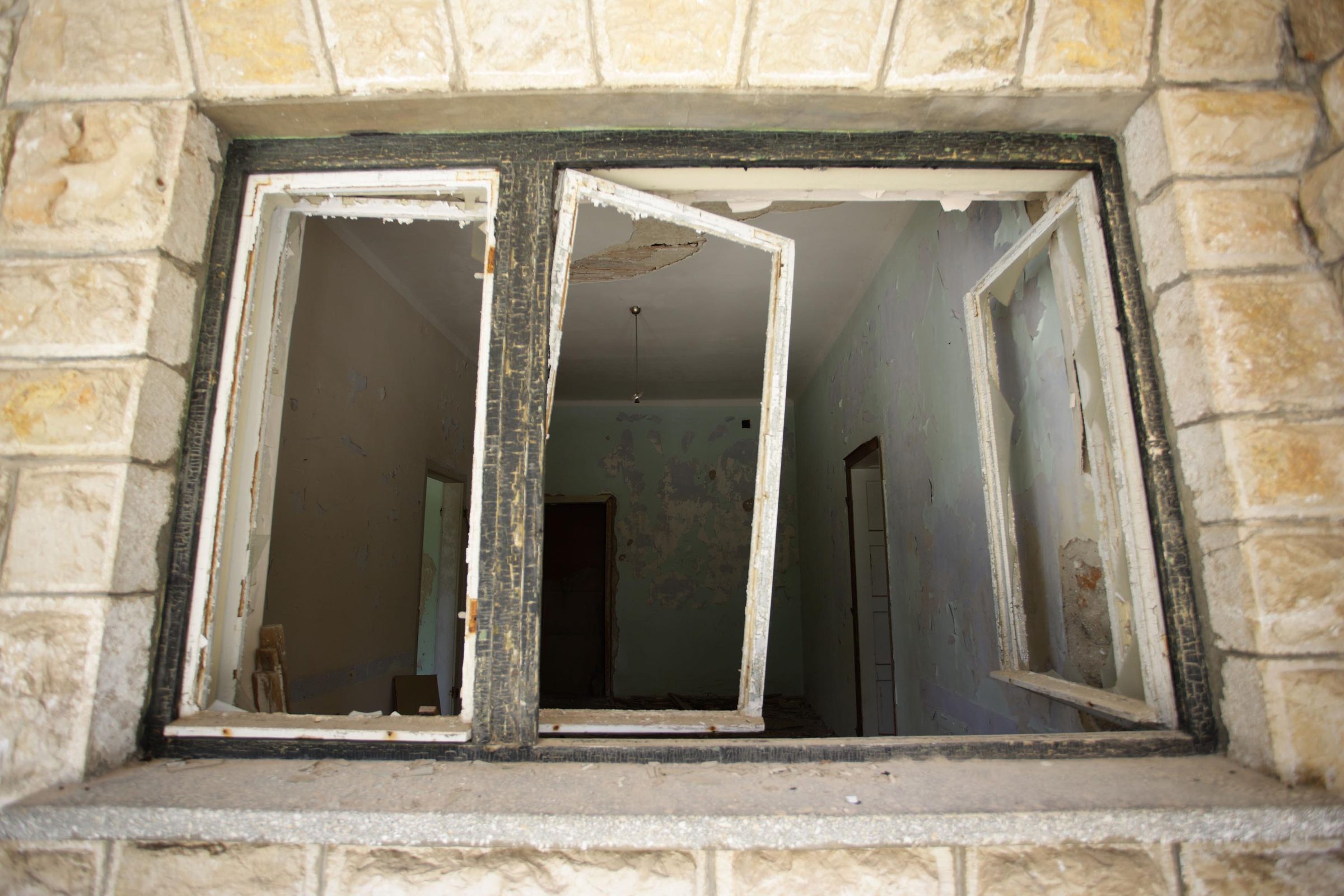
For most of those who returned from Goli otok and Sveti Grgur, freedom did not mean a real return to normality. In the society of the 1950s and 1960s they remained politically marked as “former people”: suspect, isolated and easily removed. In many communities they were met with silence, fear and avoidance, and the stigma often extended to the whole family.
Conditions for release: “revision” and adding to the record
Release was rarely experienced as simply “having served one’s sentence”. In practice it often involved:
- accepting the accusations of the UDBAUDBAState Security Administration (Uprava državne bezbednosti) – the Yugoslav secret political police responsible for the surveillance and persecution of real or alleged opponents of the regime. and “adding to the record” (naming all potential enemies of the state at liberty and listing all of one’s own hostile acts)
- leaving the position of a boycotted prisoner (the lowest hierarchical status among prisoners) through revising one’s stanceRevising one’s stancePublic “repentance” for views that the UDBA had declared anti-state, and consent to collaborate with the UDBA. It was a condition for advancement in the camp hierarchy. (the prisoner strives to prove loyalty to the UDBA)
- joining the camp “aktiv”AktivThe political core of the prisoners’ self-administration: prisoners who had revised their stance, led meetings, directed attacks on the “unreliable” and reported to the UDBA. (the association of prisoners striving to prove their loyalty to the UDBA) as a sign of “rehabilitation”
- agreeing to full collaboration with the UDBA and to continued UDBA surveillance after release
Surveillance after return: interviews, assignments and self-censorship
On their return some former prisoners were given “assignments” or expectations: to report to the local UDBA, to monitor the mood around them and to pass on information about other returnees. Even when there was no formal “assignment”, occasional summonses for “interviews” kept up a feeling of constant scrutiny.
The camp did not end with leaving the island.
Many described how the camp did not end with leaving the island; the terror moved into everyday life through summonses, questioning and the feeling that every word could become evidence against them. In such an atmosphere caution spread: people avoided public contact and feared being associated with a “Cominformist”, and returnees often lived under the pressure of silence and self-isolation.
Employment and education: control beneath the surface
Employment was often a “test of rehabilitation”. Although many had been interned by administrative measure (without a conventional court judgment), in practice the stigma acted as an informal ban on employment. Enterprises did not hire people with suspect biographies.
Typical patterns:
- inability to return to former skilled jobs
- assignment to lower-level, often manual jobs
- interrupted studies and difficulty continuing education, although some former prisoners did manage to complete their education
The family as an extension of punishment
The pressure did not affect the prisoner alone. During internment families could be subjected to humiliation and blackmail: the expectation that the spouse would divorce and publicly disown the prisoner, loss of entitlement to social welfare, discrimination against children and the spread of fear among relatives. In some cases families had no reliable information about where the detainee was or whether he or she was alive.
On the prisoner’s return the family often entered a period of “normality” that was only an illusion. Many prisoners did not speak about the camp even to those closest to them – out of fear, shame or a wish to protect their family.
Tangible consequences: what could be seen on the body and in behaviour
Those close to them might notice:
- sudden weight loss and exhaustion
- permanent injuries to the limbs and difficulty moving
- loss of teeth and visible consequences of poor hygiene and violence
- scars (from labour, injuries and punishment)
- sleep disorders (shouting in their sleep, nightmares)
- turning to alcohol
- depressive phases, sudden mood swings and phobias (e.g. fear of people and of the dark)
Political silence and “apoliticism” as a survival strategy
Reports of the security apparatus (the UDBA) recorded the passivity of returnees: avoidance of social organisations, caution in their contacts and warning others to keep silent. For many, the experience of the camp meant a final break with politics.
At sensitive moments (e.g. visits by important statesmen or diplomatic delegations) former prisoners could in practice be subjected to additional restrictions: summonses for interviews, bans on movement or other forms of “preventive” surveillance.
From the 1990s: late recognition and unequal rights
The changes of the early 1990s opened up space for speaking publicly about the repression and for founding associations. But recognition and compensation were not automatic. Political prisoner status was often obtained through individual procedures: applications, providing proof and contending with inadequate archives.
Common problems:
- incomplete documentation and slow procedures
- inconsistent practice in recognition and compensation
- costs and exhausting court proceedings for those who sought formal rehabilitation
Glossary
- UDBA
- State Security Administration (Uprava državne bezbednosti) – the Yugoslav secret political police responsible for the surveillance and persecution of real or alleged opponents of the regime.
- Revising one’s stance
- Public “repentance” for views that the UDBA had declared anti-state, and consent to collaborate with the UDBA. It was a condition for advancement in the camp hierarchy.
- Aktiv
- The political core of the prisoners’ self-administration: prisoners who had revised their stance, led meetings, directed attacks on the “unreliable” and reported to the UDBA.