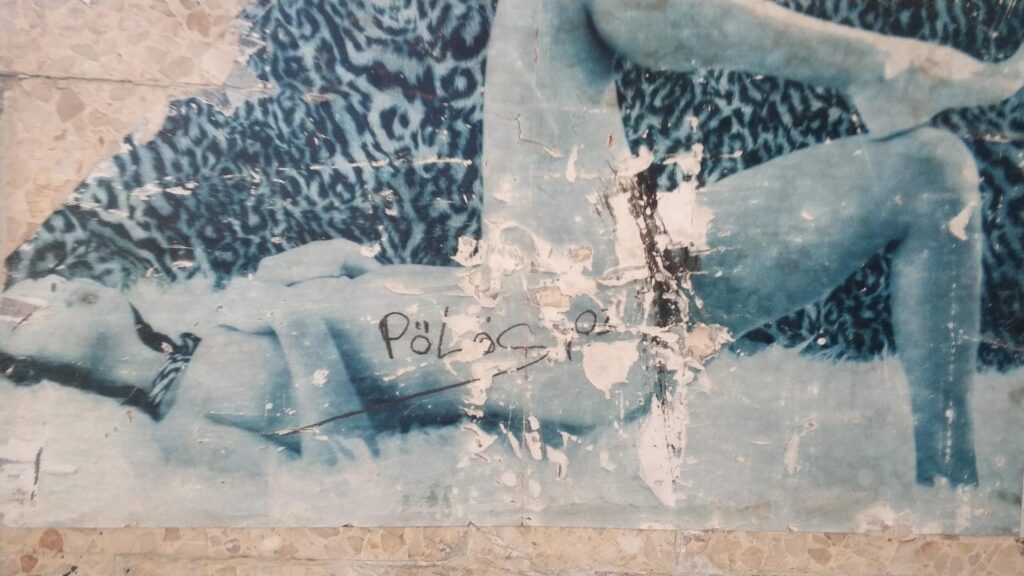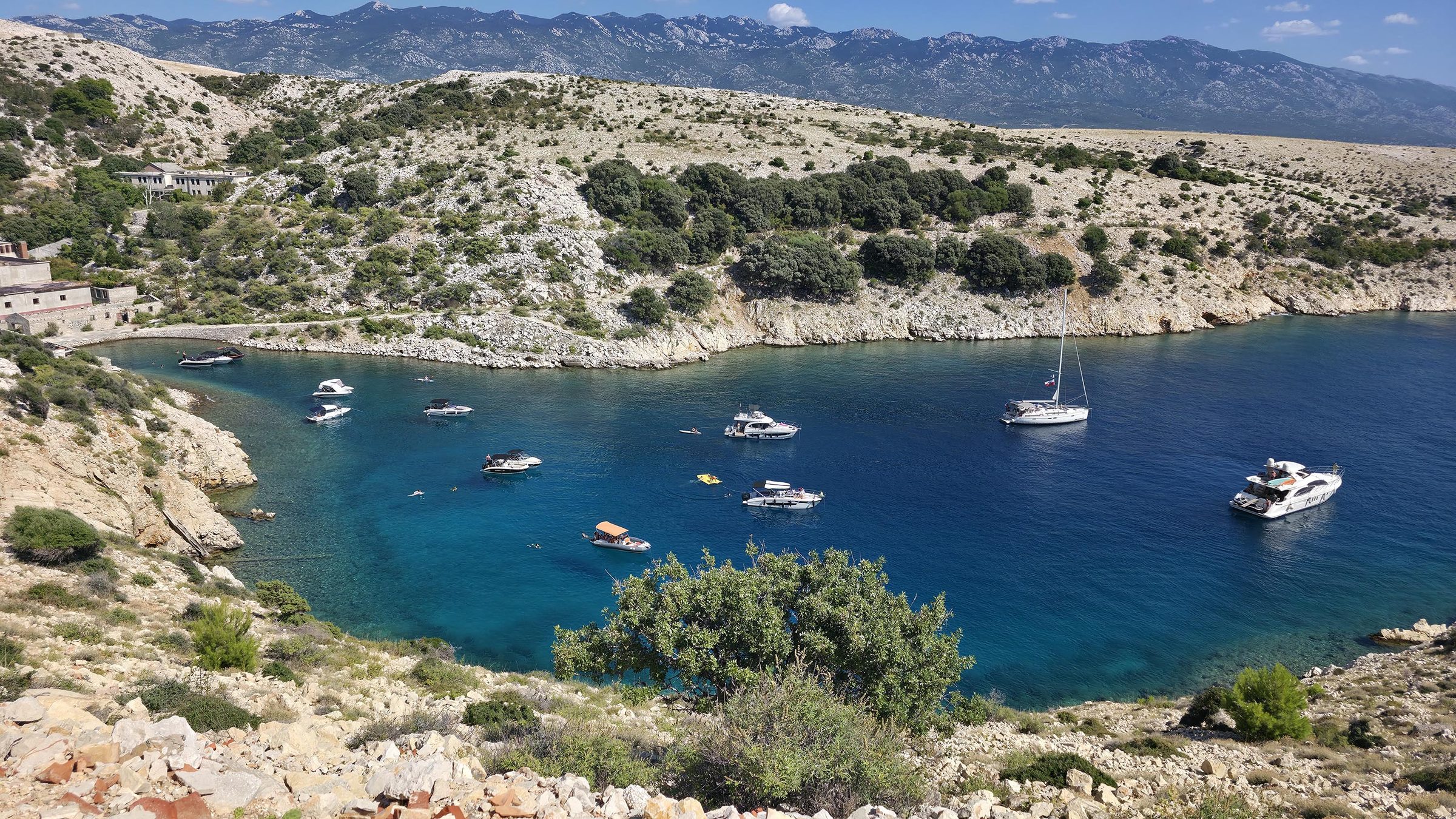
Today Goli otok is a seasonally visited site without a permanent museum or memorial institution and without unified management of the whole of the former camp and prison.
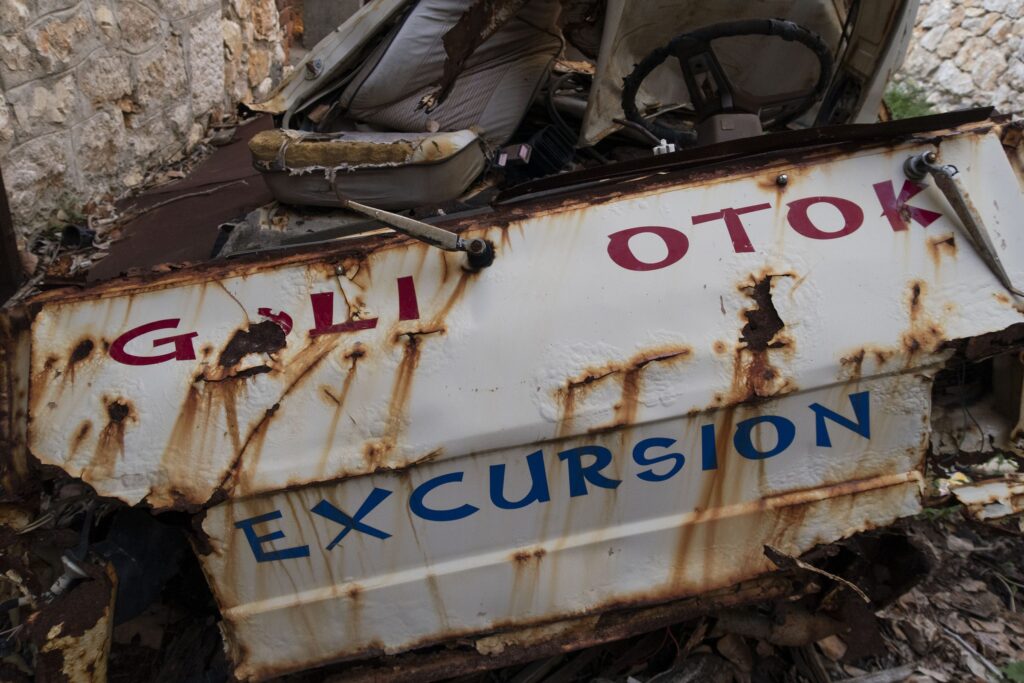
Visits mostly take the form of short excursion tours, with fragmentary explanations and little context about what the island was – and why it is the way it is.
What does the visitor find?
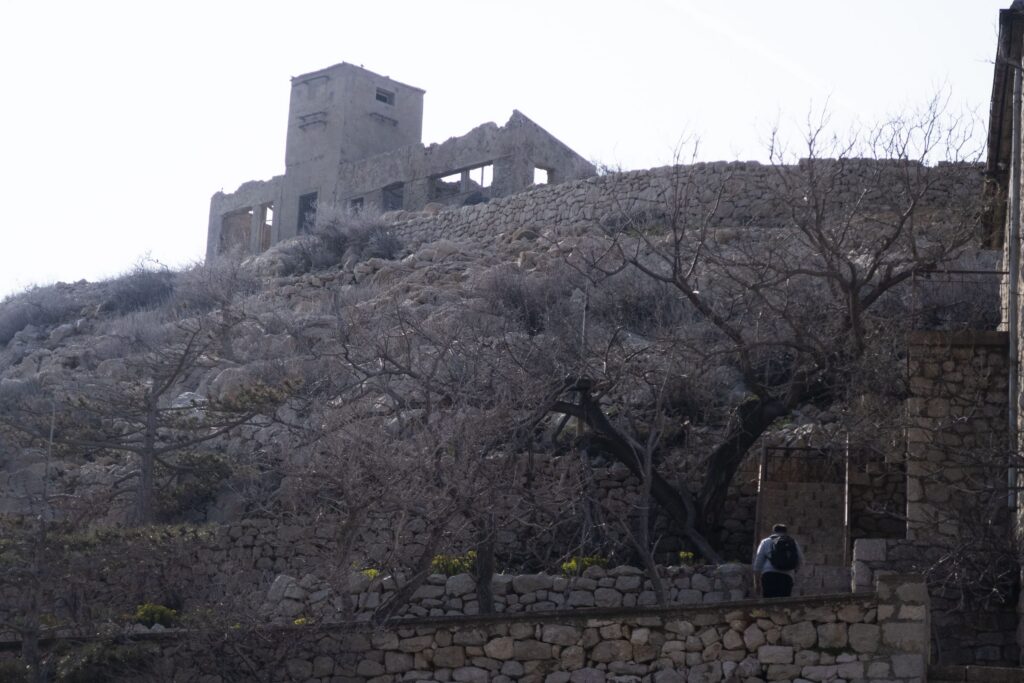
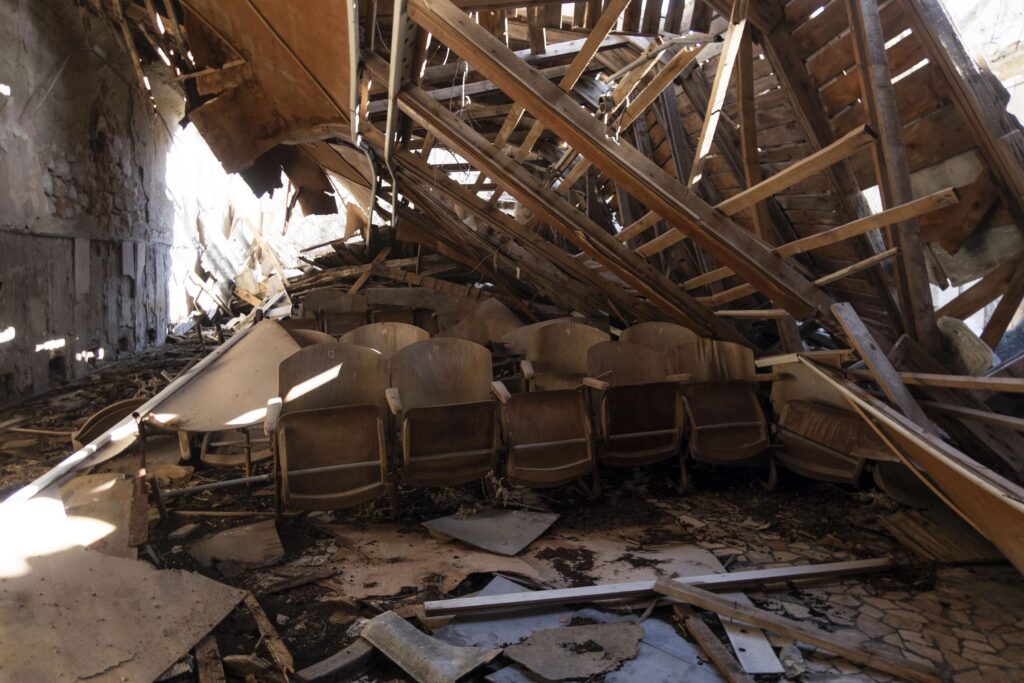
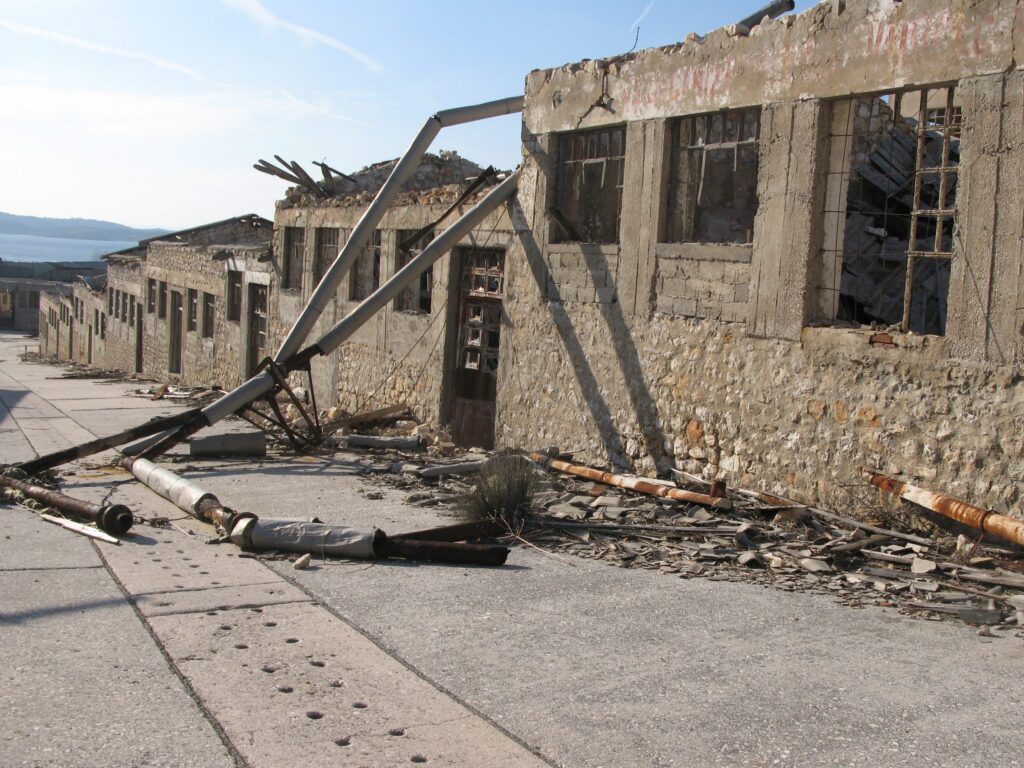
The visitor moves among the ruins of pavilions and workshops, overgrown paths and makeshift tourist stalls.
There are a few plaques and signs, but no comprehensive exhibition that would connect the creation of the camp, the forced labour regime, survivors’ testimonies and the present state of the site.
Why is Goli otok neglected?
The neglect is the result of three interrelated processes:
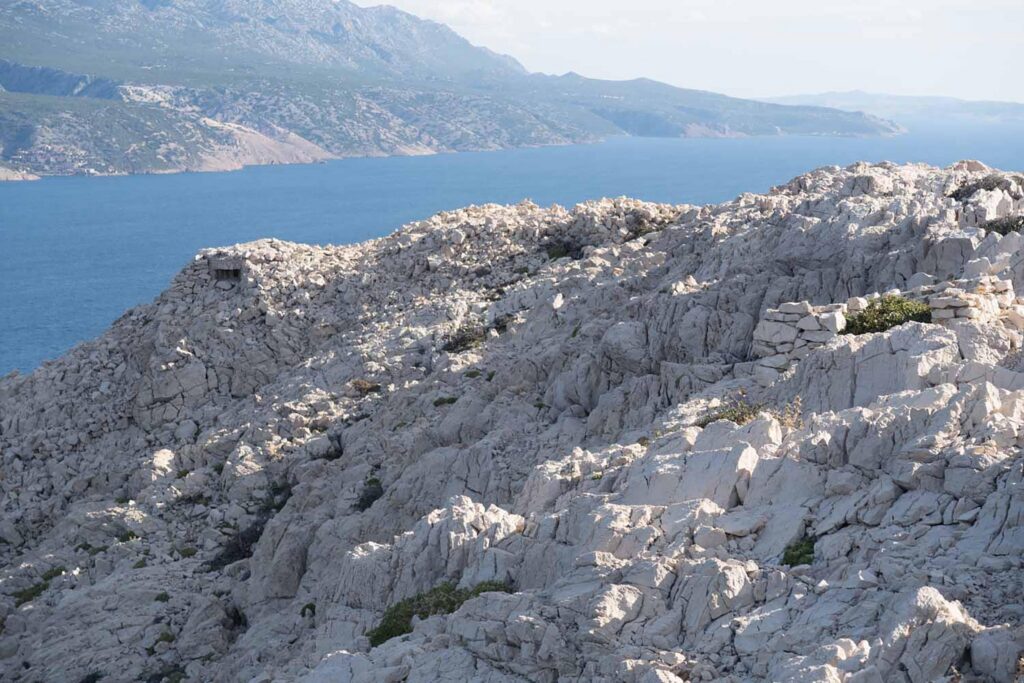
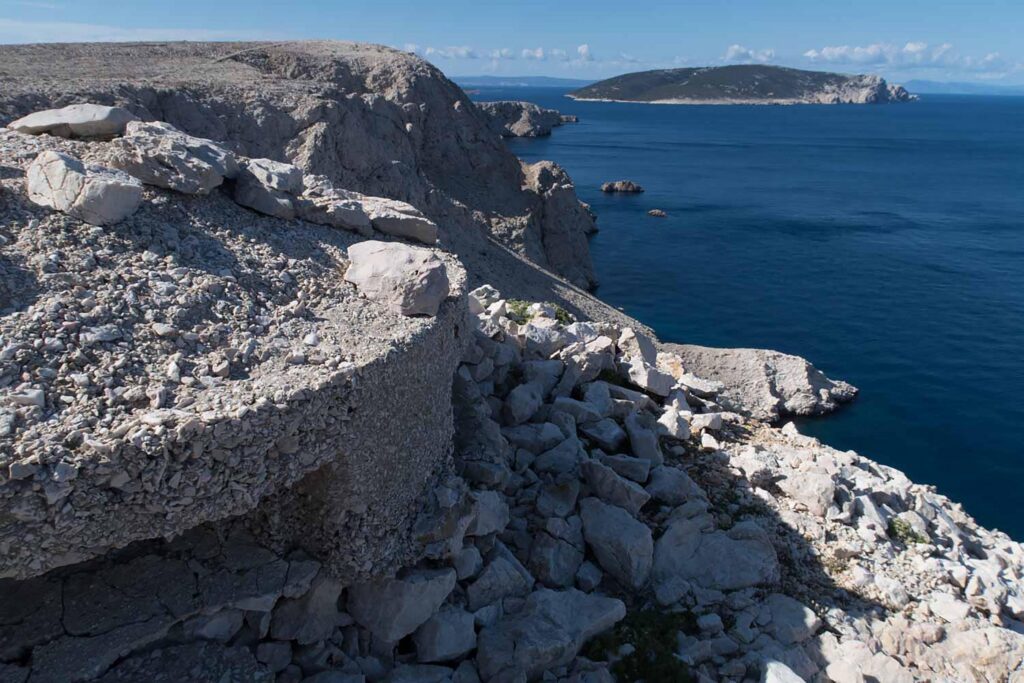
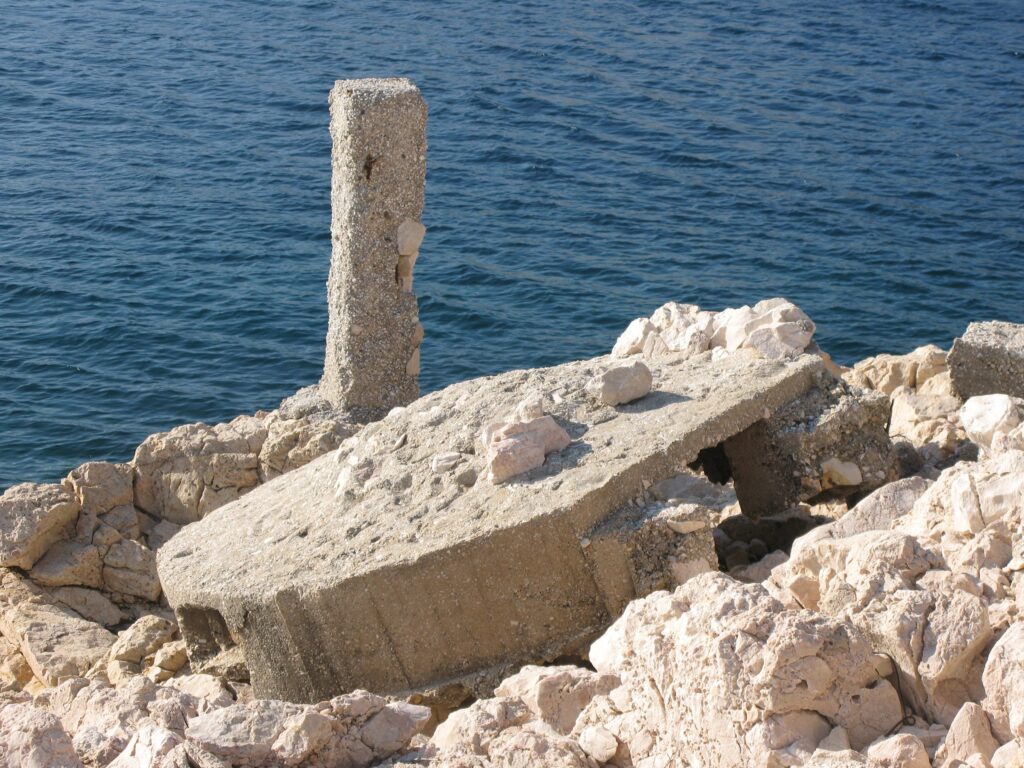
- physical decay after the closure of the prison – once constant surveillance and maintenance ceased, Goli otok soon began to change through lack of upkeep (collapse, devastation, frequent bora winds)
- an unresolved model of management and responsibility – without a clear manager and plan, the site remains “no one’s” in practice (the owner is the Republic of Croatia, but it has not been clearly agreed which local authority Goli otok falls under)
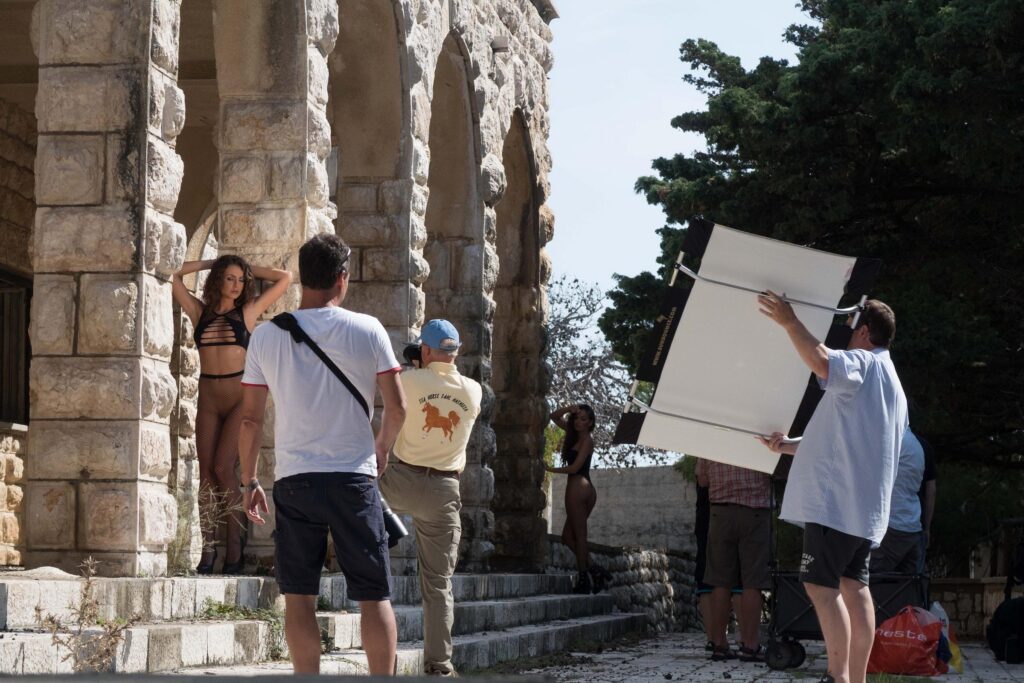
- the predominance of tourist logic over memorial logic – tourism is developing faster than any systematic interpretation of the site of suffering, so the large number of visitors, without systematic protection of the site, is endangering Goli otok
Between tourism and decay
Preventive protection (2016–2019) and what happened afterwards
Preventive protection is a temporary regime under which a cultural asset is protected until an expert assessment is prepared and a decision is made on permanent protection.
For Goli otok, excluding Sveti Grgur, preventive protection was adopted in 2016 and expired in May 2019, without a comprehensive decision on permanent protection having been adopted.
Why the issue is not being addressed systematically
In practice the same obstacles recur:
- finances and organisation (costly processes of conservation, infrastructure, safety and expert teams); the local administrative unit has not been agreed, and Rab and Lopar are engaged in legal proceedings over Goli otok
- conflict between commercial and memorial interests (a stricter memorial-site regime would necessarily change part of the “excursion” model from which the local population profits)
- political and symbolic sensitivity (it raises questions of the responsibility of the apparatus of repression and of attitudes towards the Yugoslav past)
Why preservation is in the interest of Croatia, the region and the EU
Croatia: this is one of the key sites of 20th-century political repression on Croatian territory; developing it would enable a serious reckoning with the past, educational programmes and a research framework.
The region (former Yugoslavia): detainees came from all the republics; a shared approach reduces the fragmentation of memory and revisionism.
The European Union: Goli otok belongs to the European history of the Cold War and repression; the site has the potential to become a regional centre for learning about the abuse of security apparatuses and about human rights.
Read more about why a memorial site is needed on the Memorial Site page.
Goli otok today